The Portal Doesn't Exist. Except It Does.
Every Scene Has a Counter Somewhere Near Its Center

Linear Labs Newsletter by Leo Moraes
So, this is how I’ll open this story. Earlier this year we went to Brasil for the first edition of Semana Jazz Is Dead, a concert/film festival/exhibit event. Adrian Younge had an interview at a TV station, and I drove him and the band. After the interview, when we got back to the car, I realized I’d lost the key, so I retraced my steps through the building. Nothing. I was about to call the rental company when Adrian said, “Maybe it fell in the portal.”
Guitarist Jack Waterson turned around, somewhere between amused and genuinely annoyed. “How many times do I have to tell you, there is no portal! It has to be somewhere.”
“But the portal—”
“There is no portal! Let’s retrace your steps again.”
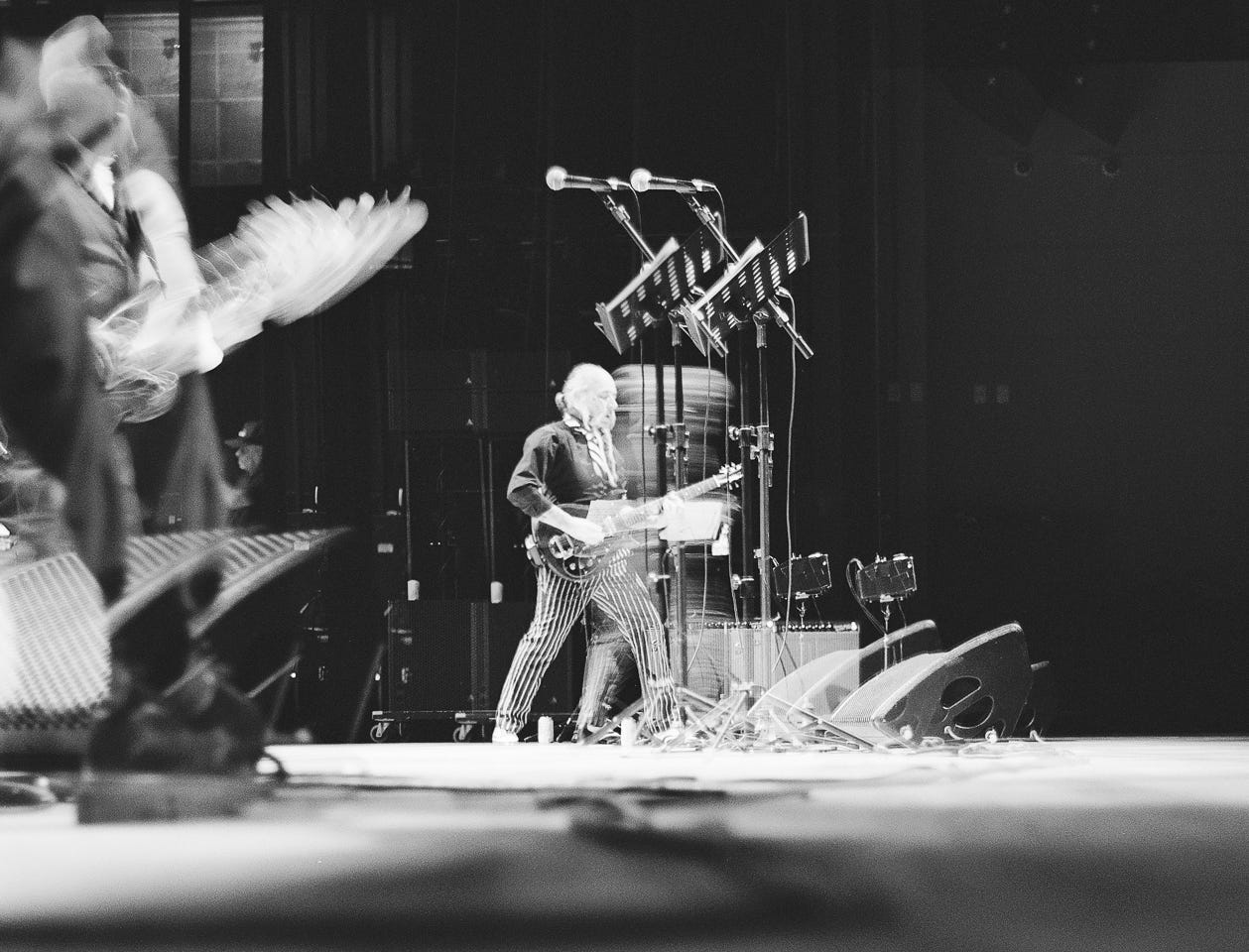
We found the key wedged between the cushions of a sofa where we’d waited earlier. It had slipped out of my pocket into the gap. Later, Adrian explained: he and Jack have run this bit for years. When something goes missing, Adrian says it fell into the portal. Jack insists there’s no such thing, and he won’t rest until he’s found the object and proven, once again, that the portal doesn’t exist.
I love that story for what it says about Jack and Adrian’s friendship, but also for what it says about Jack’s personality. Jack is a musician and an artist, but he’s also the man behind LA’s coolest instrument store, and I haven’t met anyone who knows gear better than him.
What a Record Store Is to a Fan, an Instrument Store Is to a Musician
You already know what a great record store means. The feeling of handing your crate to someone behind the counter and having them nod, or reach under the register for something they’d been saving for a customer who just knows. That exchange isn’t retail, it’s initiation.
A used instrument shop does the same for the people who make the music. Except what passes across the counter isn’t a copy of something, it’s the object a scene was built on. A guitar detuned, rewired, and loved back into shape by three owners before you. A synth somebody famous sold on a bad month and somebody unknown bought on a good one. New gear from a big-box chain has no story. Used gear, sold by someone who knows its story, has nothing but.
That’s the difference between a warehouse and a portal.
Future Music
Jack Waterson’s own introduction to that world happened in 1972, broke, in New York, running with a crew of kids who’d shoplift more or less anything that wasn’t nailed down. There was a music store nearby that had always been decent to them. When some other kids lifted a set of drumsticks from the place, Jack and his friends tracked them down and set them on the counter in front of the owner. “These kids stole these drumsticks,” he said. “You’re always cool with us. Here they are.” The owner looked at him and said: you can hang out here every day. So he did. He swept the floor, got handed a mini Moog to mess around with when nobody was looking, and learned the whole language of the place just by being let in.
The gear is the excuse. The real inventory is trust, handed down from whoever’s behind the counter to whoever’s willing to stick around and listen.
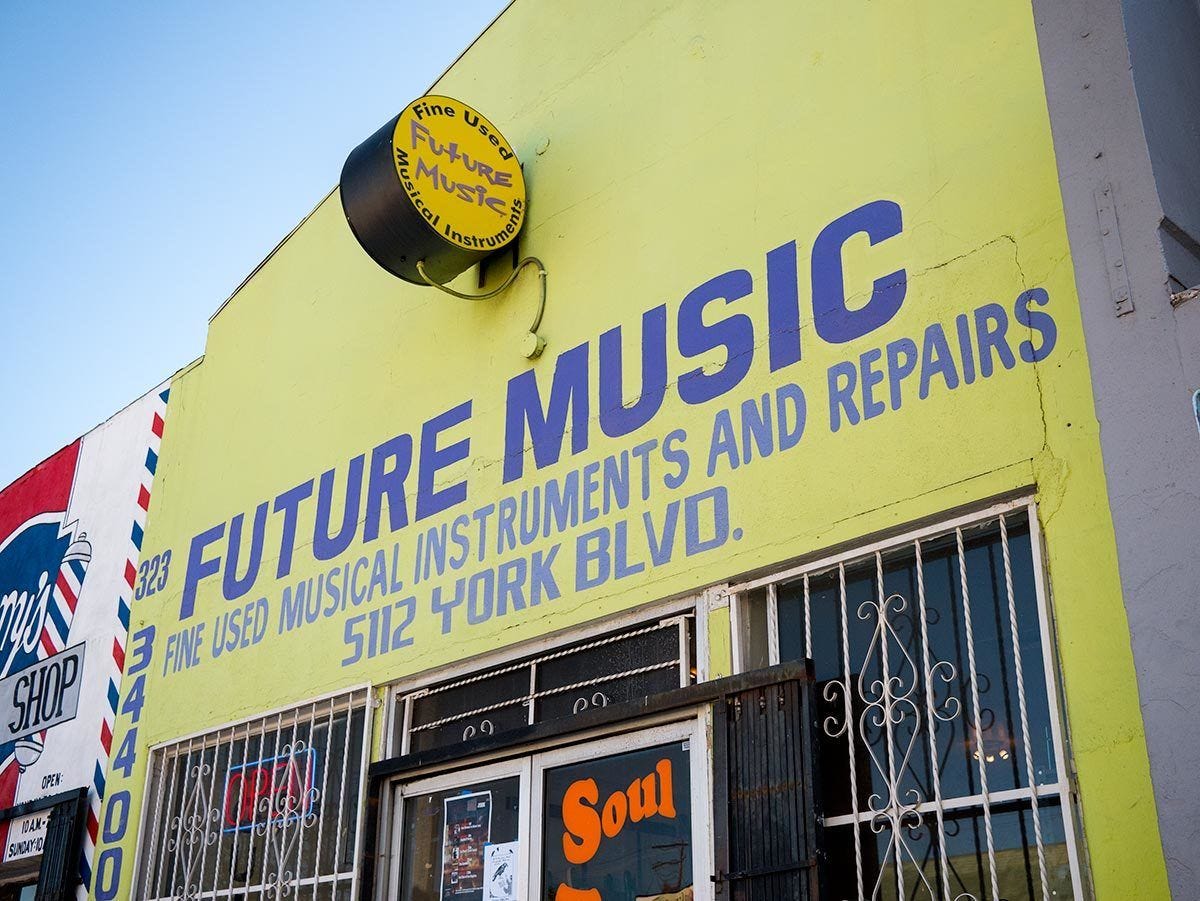
Jack opened Future Music, originally on Sunset Boulevard, now on York Boulevard, built around the instruments made before 1983, and around holding the door open the way it had once been held open for him. What grew out of that storefront wasn’t really a business. It was a crossroads. Danger Mouse outfitted himself there before Gnarls Barkley existed. Air, all the way from France, bought a serious chunk of their gear from Jack. Madlib built the sound of Yesterdays New Quintet on equipment he found on York Boulevard. J Dilla passed through before he made Donuts. None of those artists necessarily knew the others were shopping there too. But they were all drawing from the same well, playing gear that had already changed somebody else’s life before it changed theirs. For years, Jack and his crew even hauled gear to gigs in shopping carts, walking them down the street while people on the block cheered because they knew what the carts meant: a show that night. That’s not a marketing story, that’s a neighborhood remembering itself.
The clearest proof of what a shop like this can do is the day an eighteen-year-old named Adrian Younge wandered into Future Music wanting to make music that sounded like the records he’d been sampling, unsure it was even possible. He and Jack were decades and genres apart, a punk-rock lifer and a hip hop obsessive who hadn’t made a record yet. Somehow, over a counter full of pre-’83 gear, they became each other’s professors. Jack schooled Adrian on psych and art rock. Adrian schooled Jack on sampling and where it came from. Neither of them planned that. The shop made it possible simply by existing, by being the kind of place where two strangers with nothing obvious in common had a reason to keep talking.
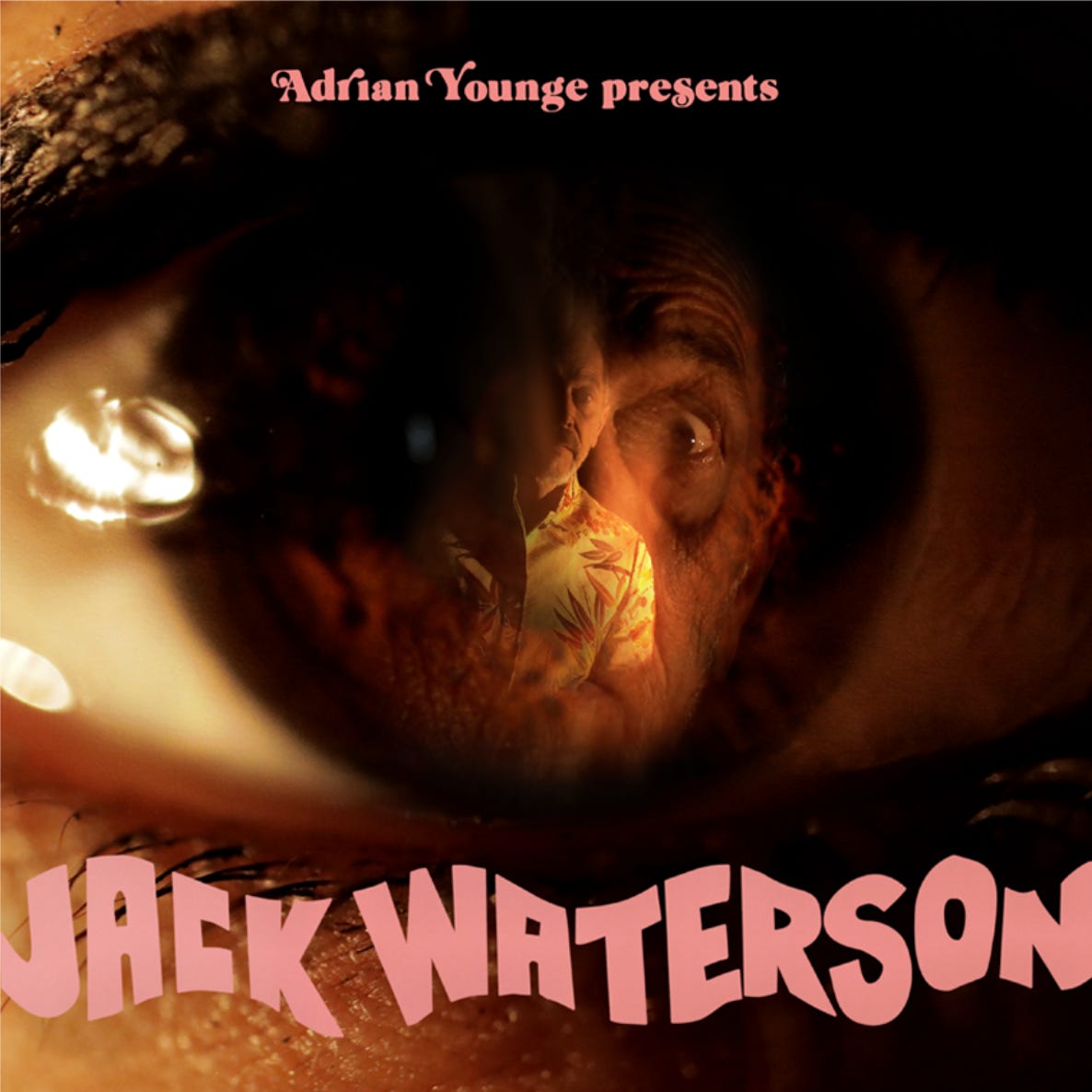
That relationship went on to produce a catalog of records and a stage partnership that’s carried them around the world. But none of it starts on a stage. It starts at a counter, the way it always has.
The Real Portal
We don't see many places like that anymore. It's easier now to buy gear from a stranger you'll never meet, off a listing with a stock photo and a shipping label, no counter, no conversation, no one to tell you what the guitar actually is, where it’s been, what it’s seen. It’s a mark of these times: convenience over transmission, no-contact security over layered, textured engagement, an expected return versus an unanticipated reward.
So here's my conclusion. I think Adrian and Jack are both right about the portal. There is one. It doesn't swallow lost keys, and it isn't magic, not in the way Adrian means it. It's a counter with somebody behind it who's willing to talk, in a shop full of instruments that already have a history, waiting for someone to add to it. Every scene worth remembering had one of these somewhere near its center. Ours happens to be on York Boulevard, and it has the only name that could possibly fit.
Future Music.
Got a portal of your own? A shop, a counter, a person behind it who transported you through word? Tell us about it in the comments. And if you've got a Future Music story, Jack included, we want to hear that one too.
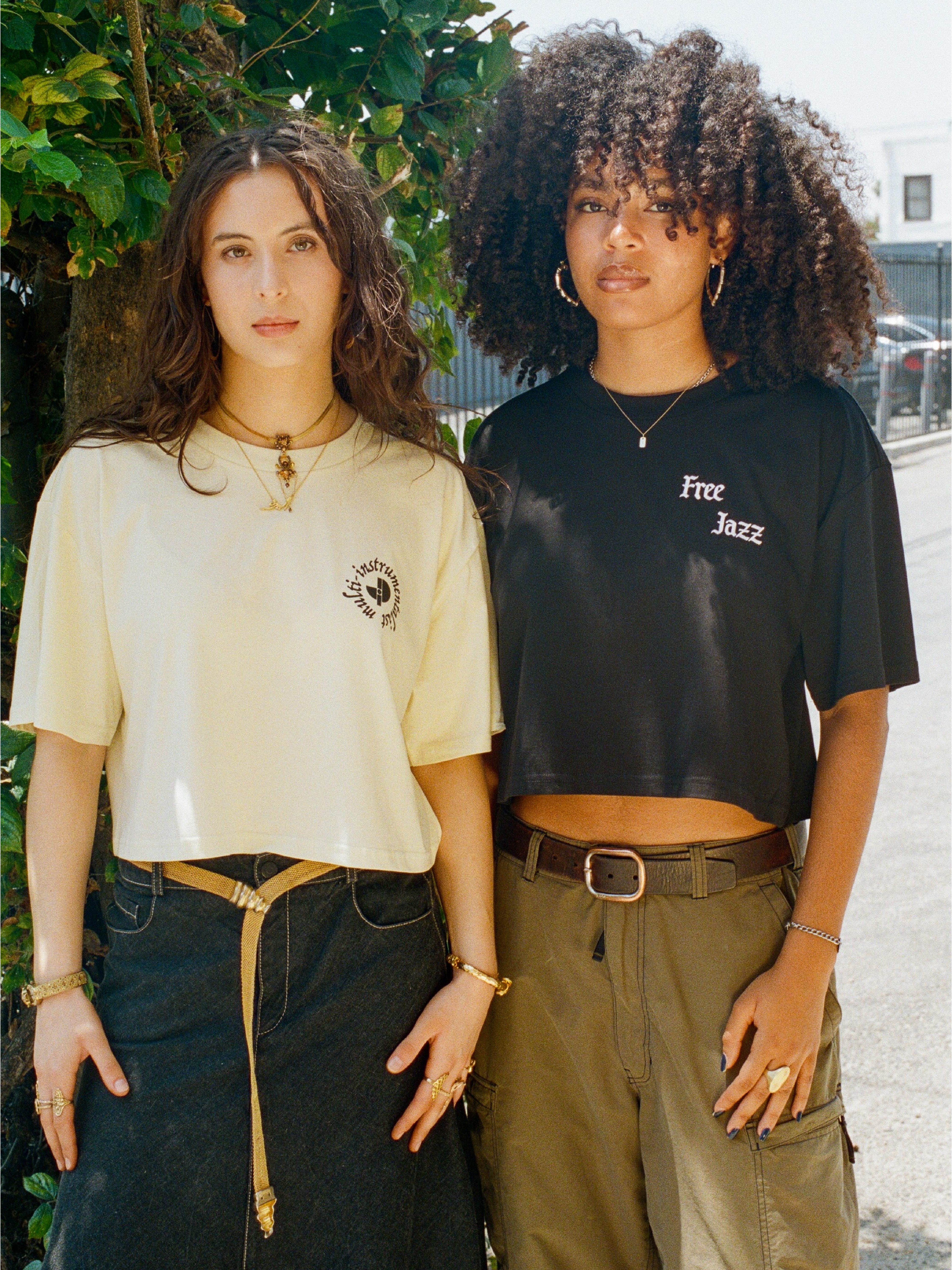
New Merch Line Out Now!
What started as a whisper passed from one person to the next. Not a eulogy, a statement. Everything in this line comes from that same idea: sound as a circle, freedom as discipline, culture as something you carry and hand off, not something you inherit and forget. This collection is for the ones doing the passing.
Full line out now. Link below.
Upcoming Events
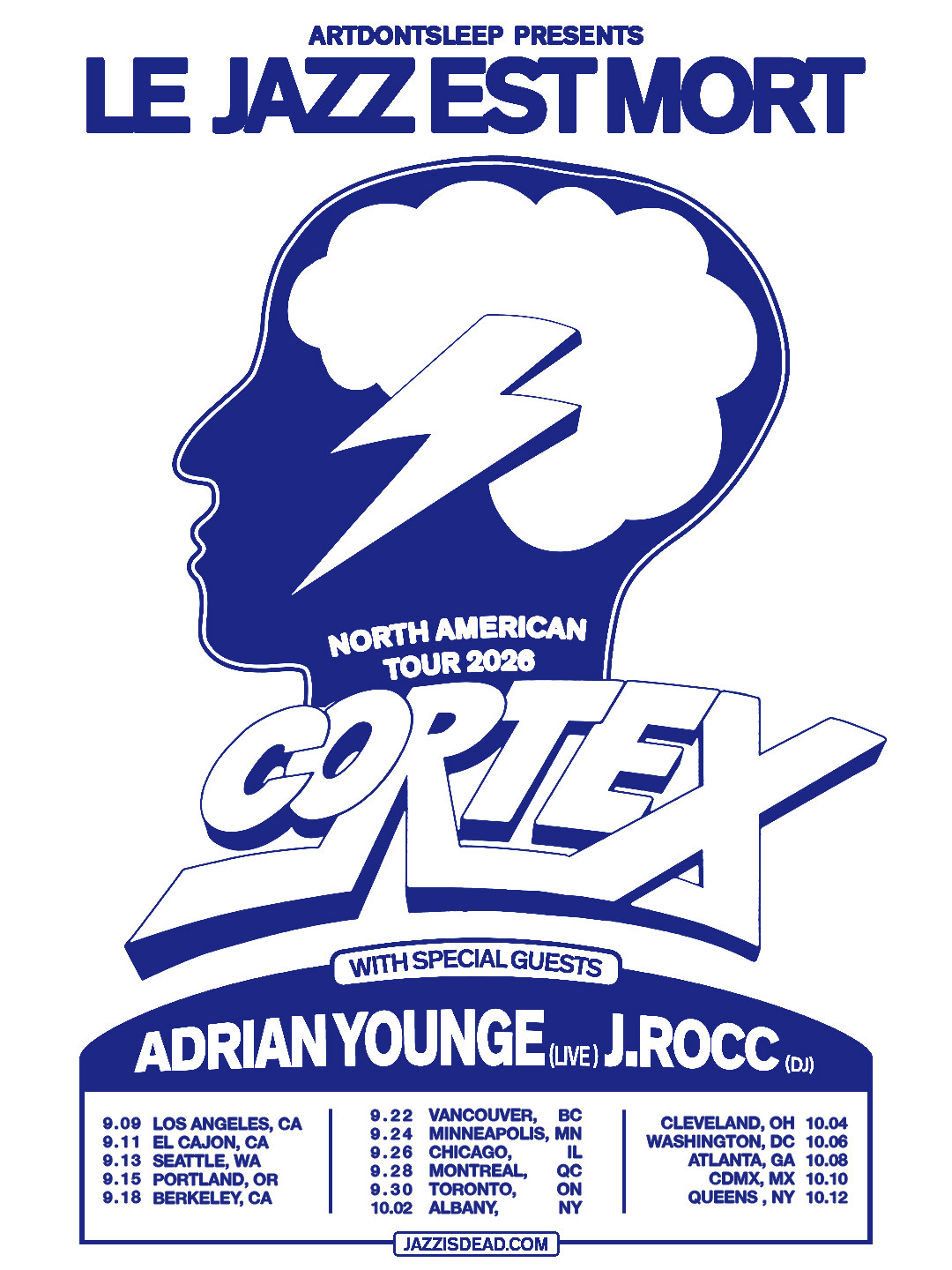
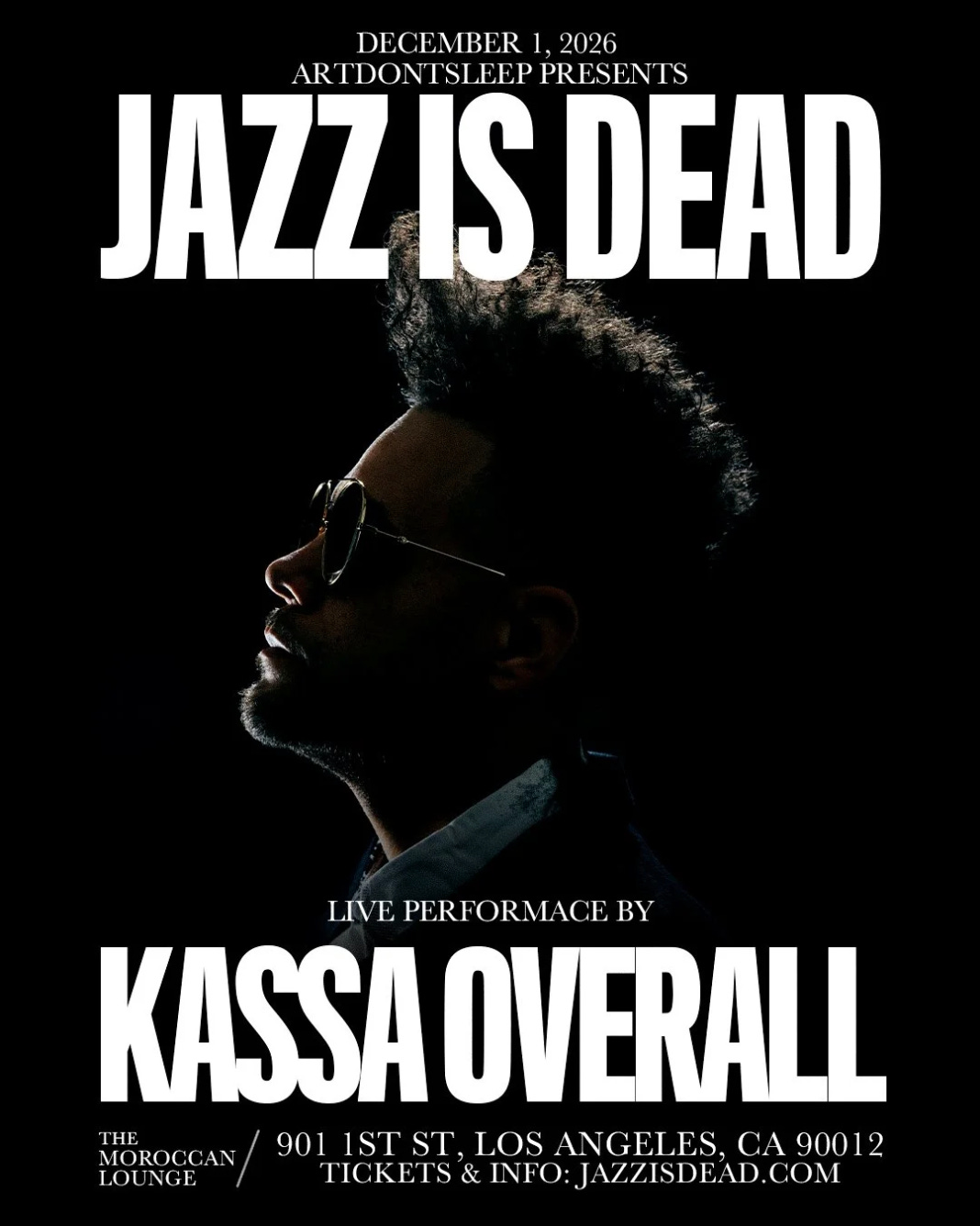
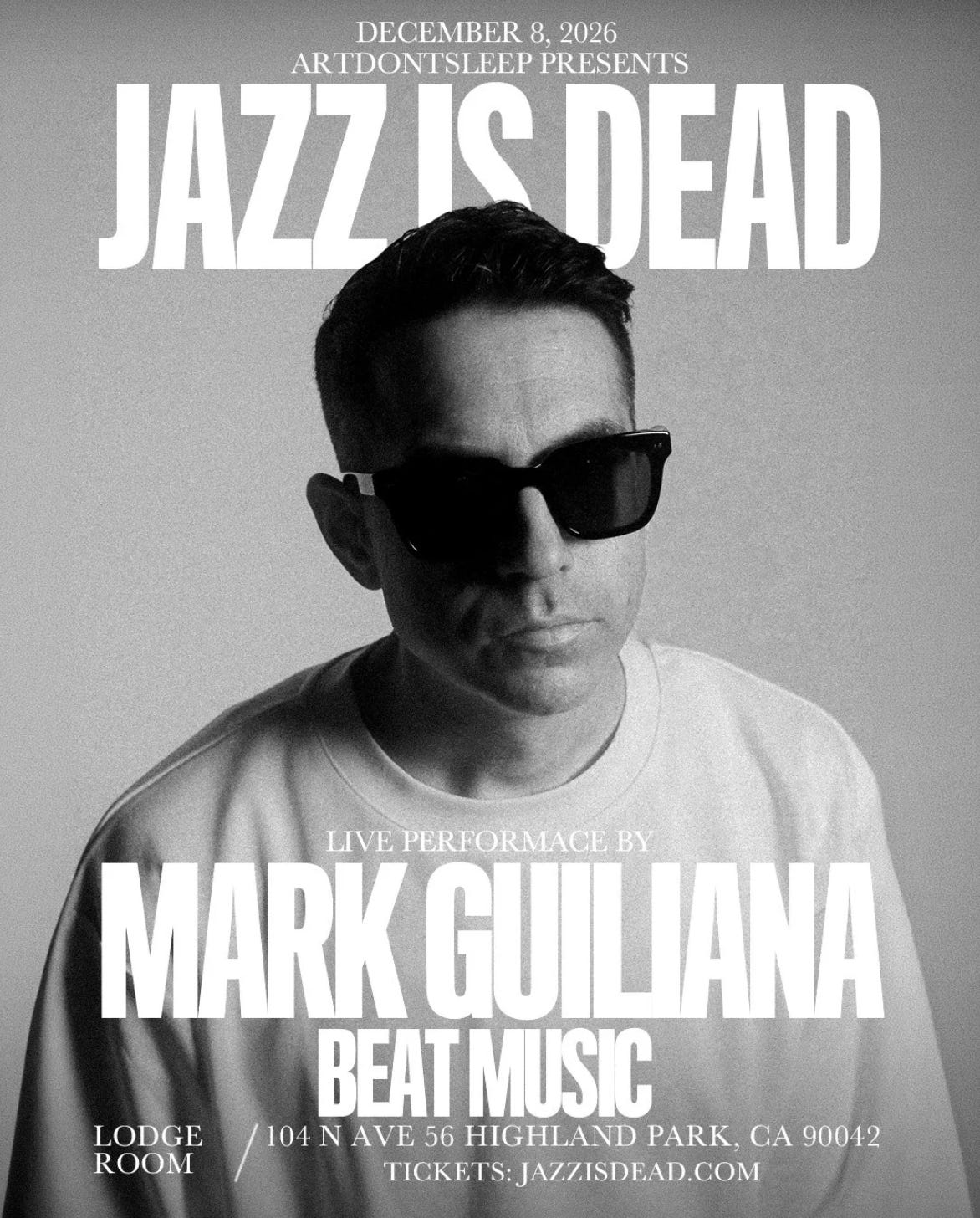
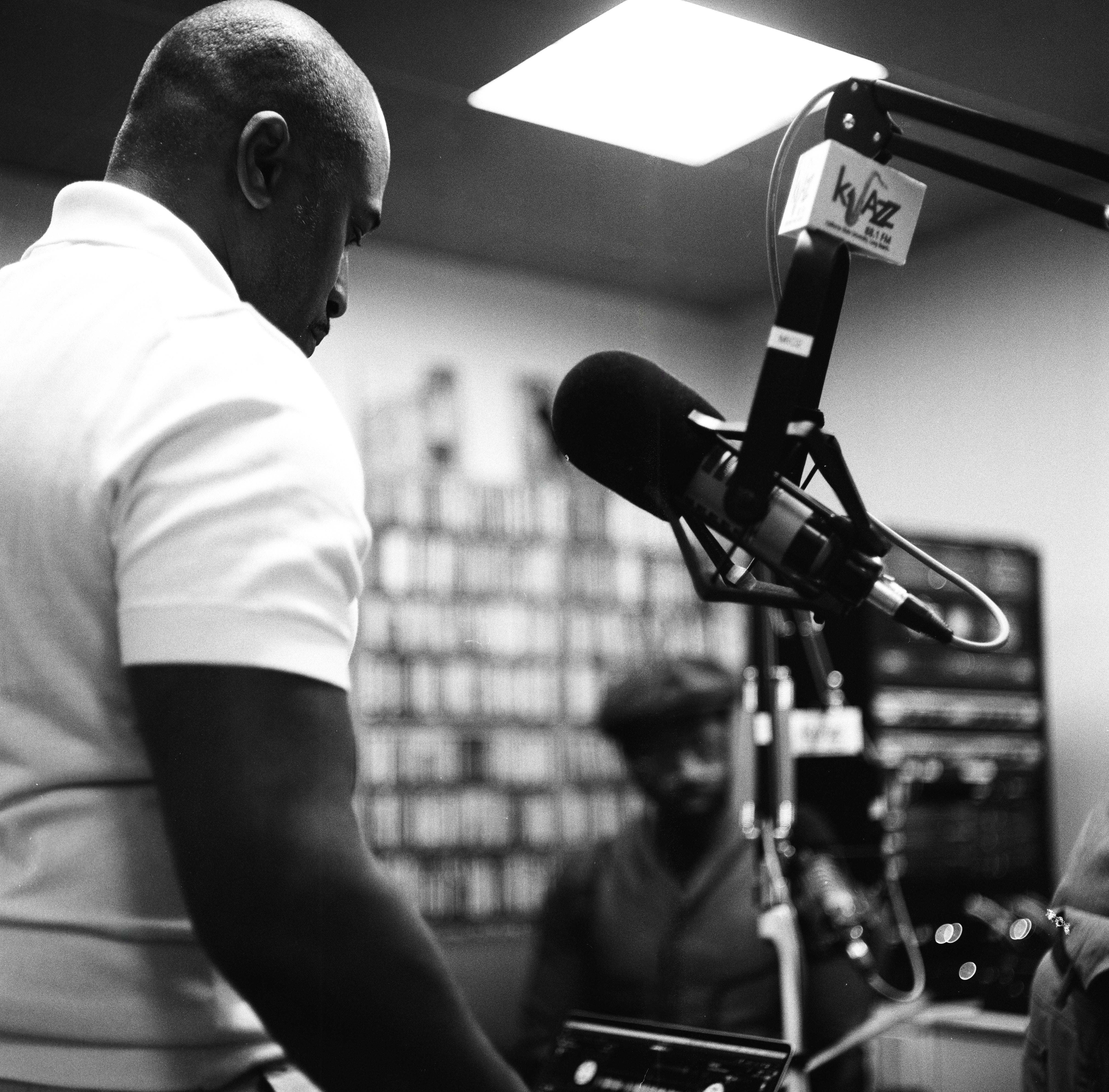
KJAZZ IS DEAD @KKJZ 88.1 LA
Every Friday, from 6PM to 8PM PST
Re: the end of the article, so very true. I read this right after spending the morning stumbling through amazing vintage guitars at The Music Guild in Danbury, Connecticut. Russ and Tom are some of the most knowledgeable guitar enthusiasts I’ve had the privilege of chatting with. What a total treat
Jack’s the best, a legend. Wonderful place, always feel at home in future music. Great story!