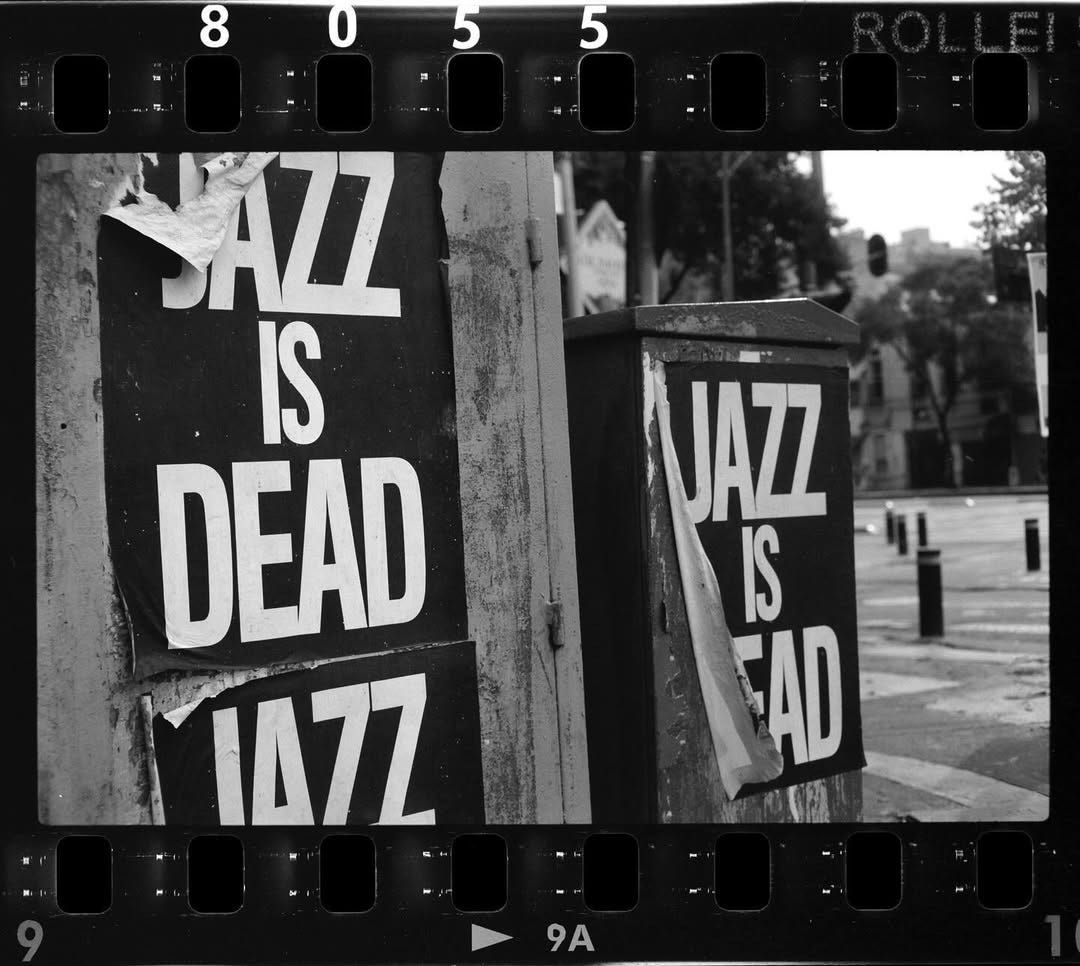
The Object That Stays
A few thoughts on merch, fans, and the ecosystem

Jazz Is Dead Newsletter, by Leo Moraes
There is a version of this story that begins with a beat-up van, a cooler full of warm water, and a stack of CDs in the back.
We were a small underground band touring Brasil in the early 2000s. Nobody knew who we were. The venues were small, the guarantees were modest or nonexistent. But something interesting happened at almost every show: we sold records. Dozens of them, sometimes, to people who had never heard our name before that night. That transaction didn’t just cover the next tank of gas, it was the moment a stranger became a listener. The music left the room with them.
Things changed. Now if you discover a band at a show and want to hear them on the drive home, you just open an app. You don't have to buy anything. The music is everywhere, and monetized almost nowhere. At least not for the people who made it. And even if those new fans become loyal listeners, streaming the record a hundred times over, it likely won't move the needle financially for the artist. The bond is somewhat weaker.
But vinyl is back. Not back the way it was, as the primary delivery mechanism for recorded sound. It’s back as something stranger and arguably deeper: an object people choose. Something you buy not because you have to, but because you want to hold it. A lot of people own vinyl albums and don’t own a turntable. We know this. Because they’re not buying a delivery mechanism. They are investing in a relationship with the artist
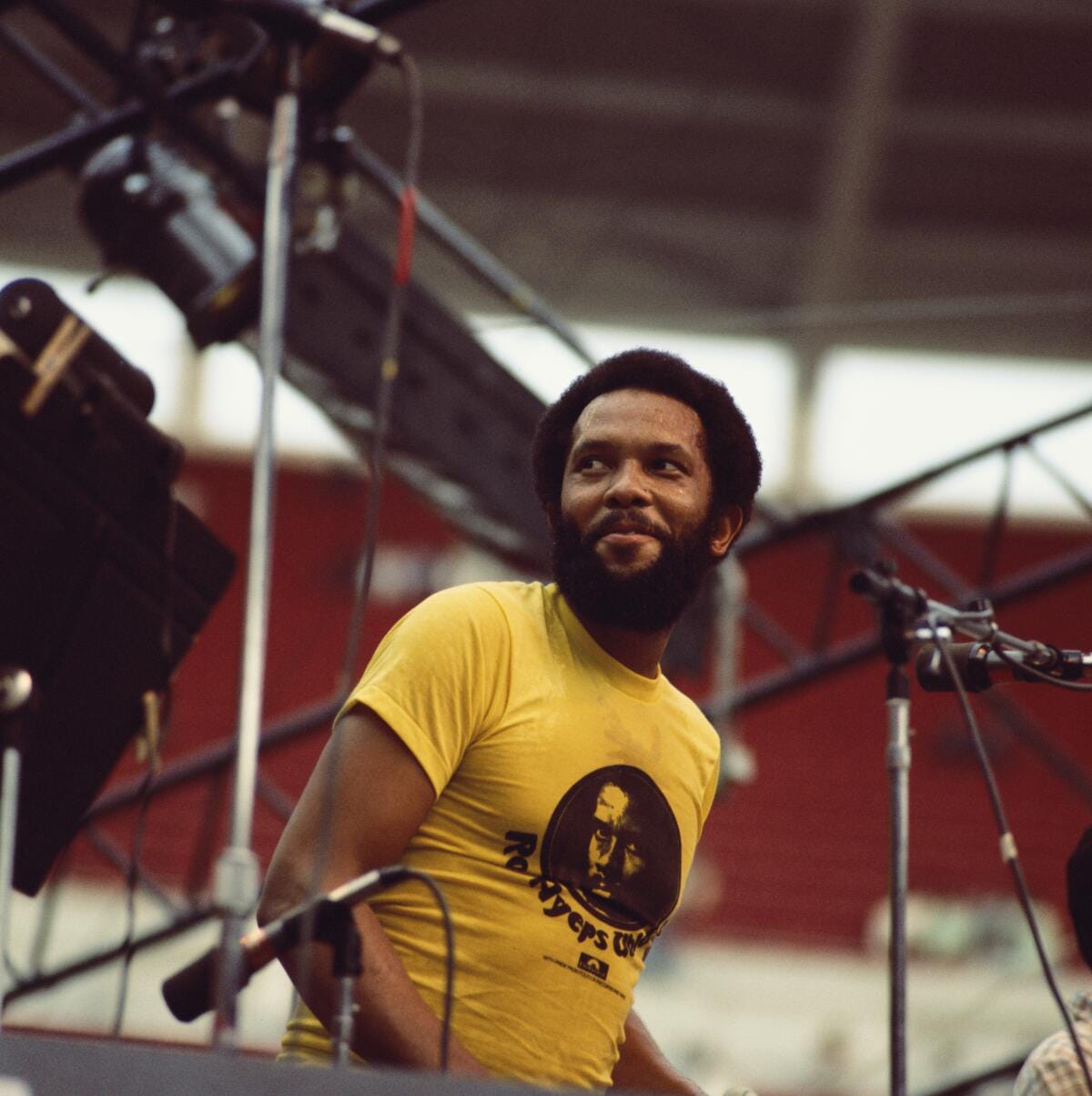
Merch has always existed. Bands have sold t-shirts since before most of us were alive. But for most of music history, merch was additive. Something you bought on top of the record, a souvenir from a night that otherwise lived in sound. Now, in a world where the sound is free, the object becomes primary. The jacket, the tote, the poster, the pressed piece of vinyl: these are the things that let fans say I am part of this. Not a passive consumer, not a play-count increment. A participant. Someone who made a choice with their dollars and their closet and their wall space.
This is what merch actually is, when you strip away the commerce. It’s a fan saying: this music matters enough to make visible. When you wear a Jazz Is Dead shirt to the grocery store or the barbershop, you are not advertising a brand. You are broadcasting a value system. You are telling everyone around you that music made with intention and craft is worth caring about, that records made by humans who have lived through something are irreplaceable, that this particular corner of the culture is worth protecting. That is not a small thing. In a world moving faster and faster toward disposability, choosing to carry something is an act of faith, if not solidarity.
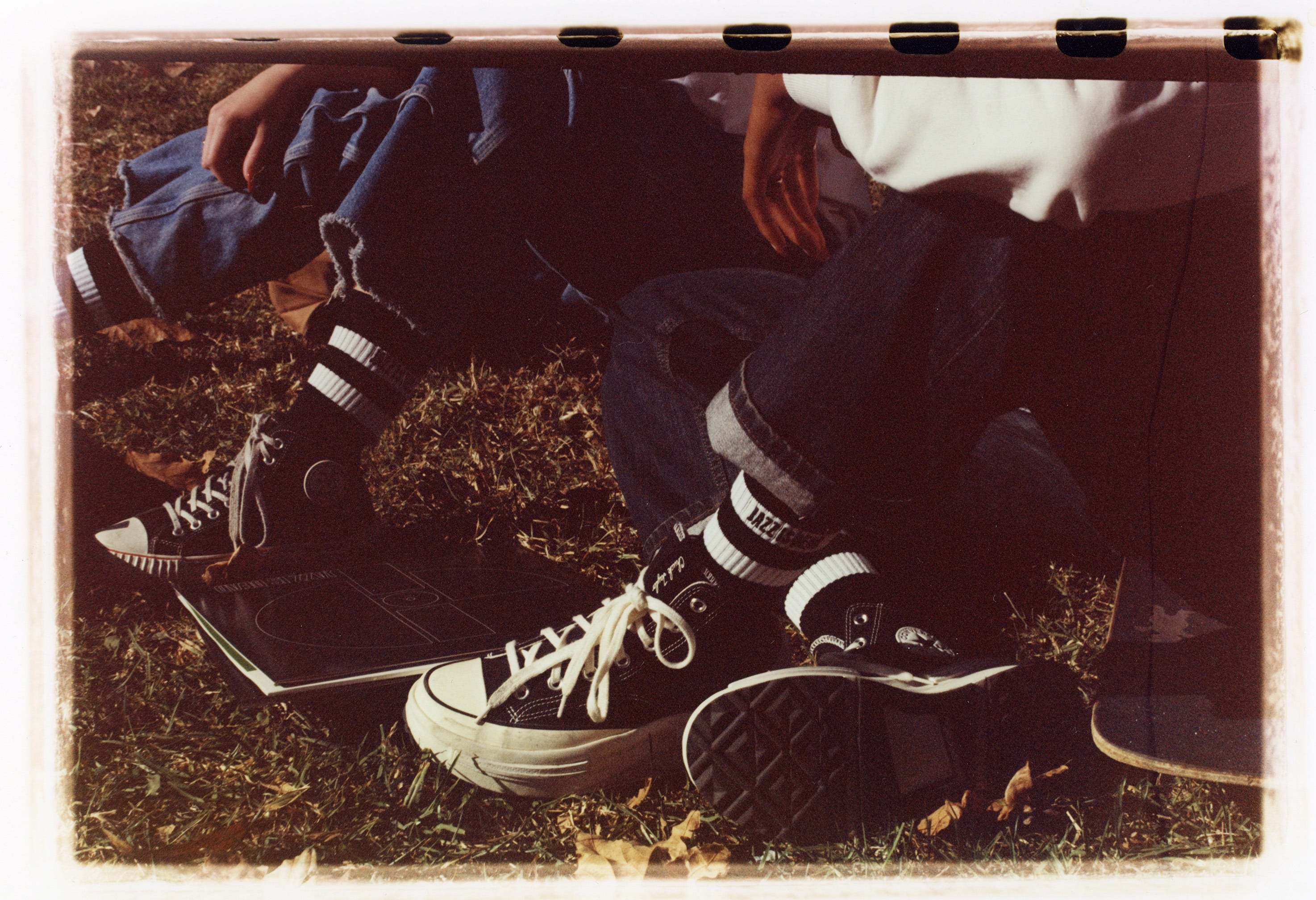
And for the artists, the labels, the communities, it’s also simply how things like this stay alive. Not through algorithms. Not through passive consumption. Through people who understand what they’re looking at.
Every piece of merch we put into the world is designed with that weight in mind. Not weight in the sense of seriousness, but weight in the sense of substance. The thing should be worth having. It should last. It should mean as much to you, five years from now, as it did the day it arrived. Because we know you are not buying a product. You are investing in something larger: a label, a catalog, a community of people who believe that music is still worth putting on tape and cutting to vinyl and pressing into a shirt and handing to someone who didn’t know they needed it yet.
We value every person who has ever bought anything from us. The collector who tracked down an out-of-print pressing. The person who bought a sticker because they couldn’t afford anything else. The one who spent a week deciding on the jacket. We understand all of those transactions the same way: someone looked at something we made and decided it was worth being in their life. There is nothing routine about that. We were fans before we were anything else, and we know exactly what it feels like to stand in front of something you love and reach for your wallet not because you have to, but because walking away without it is unthinkable.

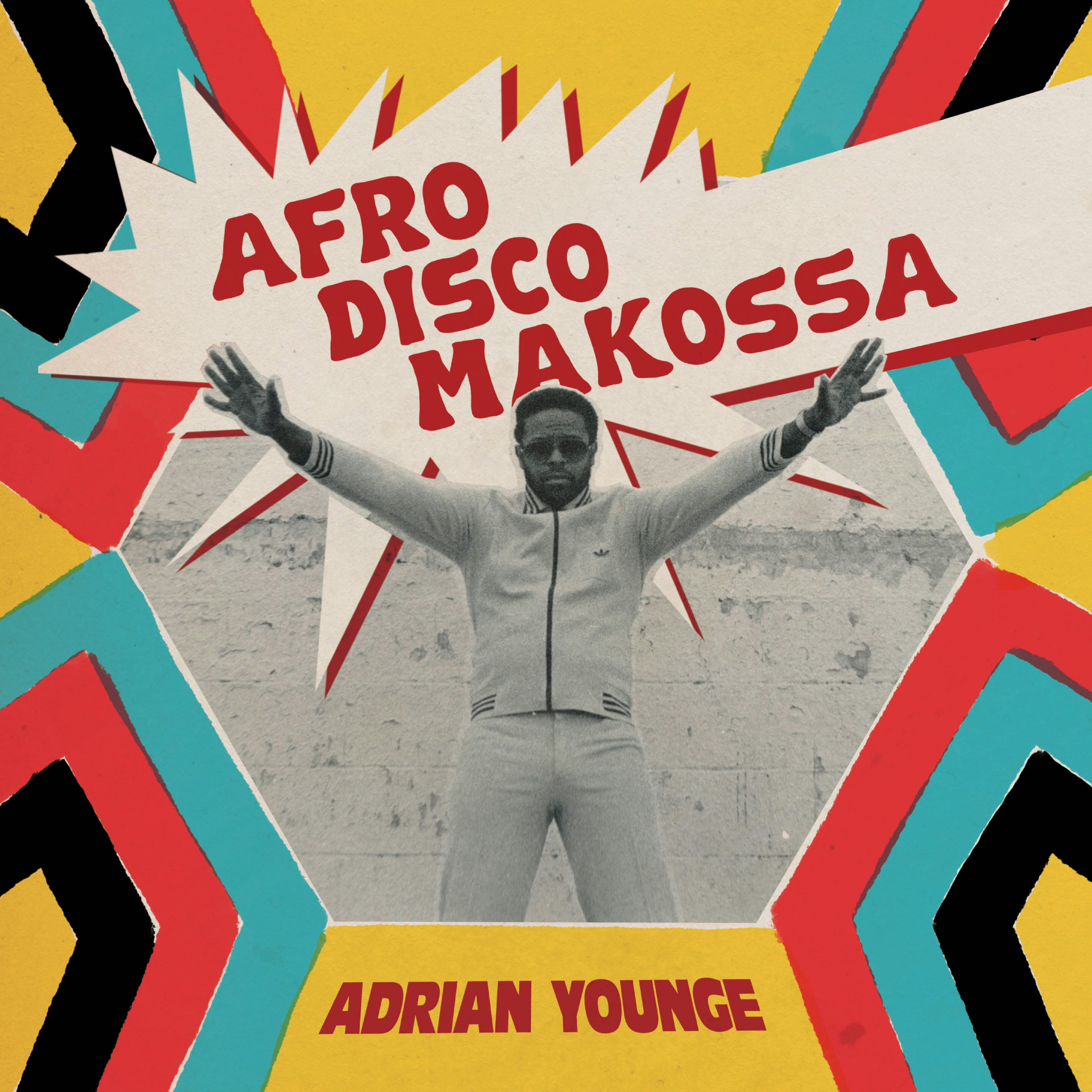
Afro-Disco Makossa
Afro Disco Makossa is the first Linear Labs album built for the dance floor, and Adrian Younge is uniquely qualified to make it. Having already recorded modern Afrobeat classics with Tony Allen and Ebo Taylor through Jazz Is Dead, Younge asks a new question: what would a Ghanaian producer in '76 have made if he set out to create an American disco record for his hometown? The result is a relentless, hypnotic patchwork of Afrobeat, funk, and disco recorded to tape, built for the DJ of any era. Preorder available!
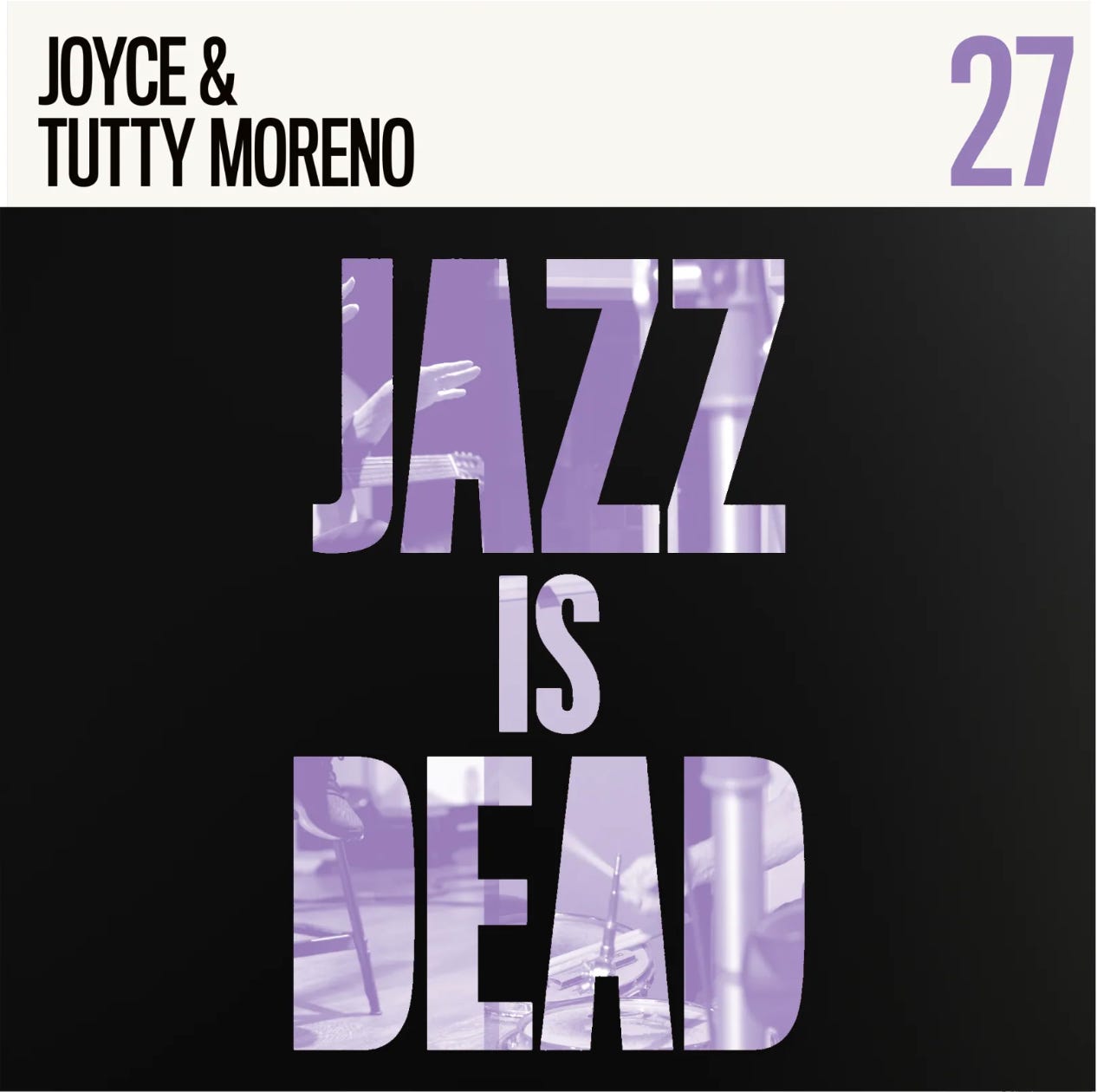
JID 027 - JOYCE & TUTTY MORENO
Joyce & Tutty Moreno, the legendary architects of Brazilian sophisticated samba, have. partnered with Adrian Younge to complete JID027- a deeply emotional album born from tragedy. Set in motion by the endorsement of their late friend João Donato, the project became a tribute to him following his sudden passing. The result is a breathtaking collection of improvisation, poetry and resilience.
YOUNGE
“Younge is enigmatic and expansive, like the soundtrack to an imagined movie” —The Observer magazine (UK)
Dreamhouse Records album of the week for Record Store Day 2026 (UK)
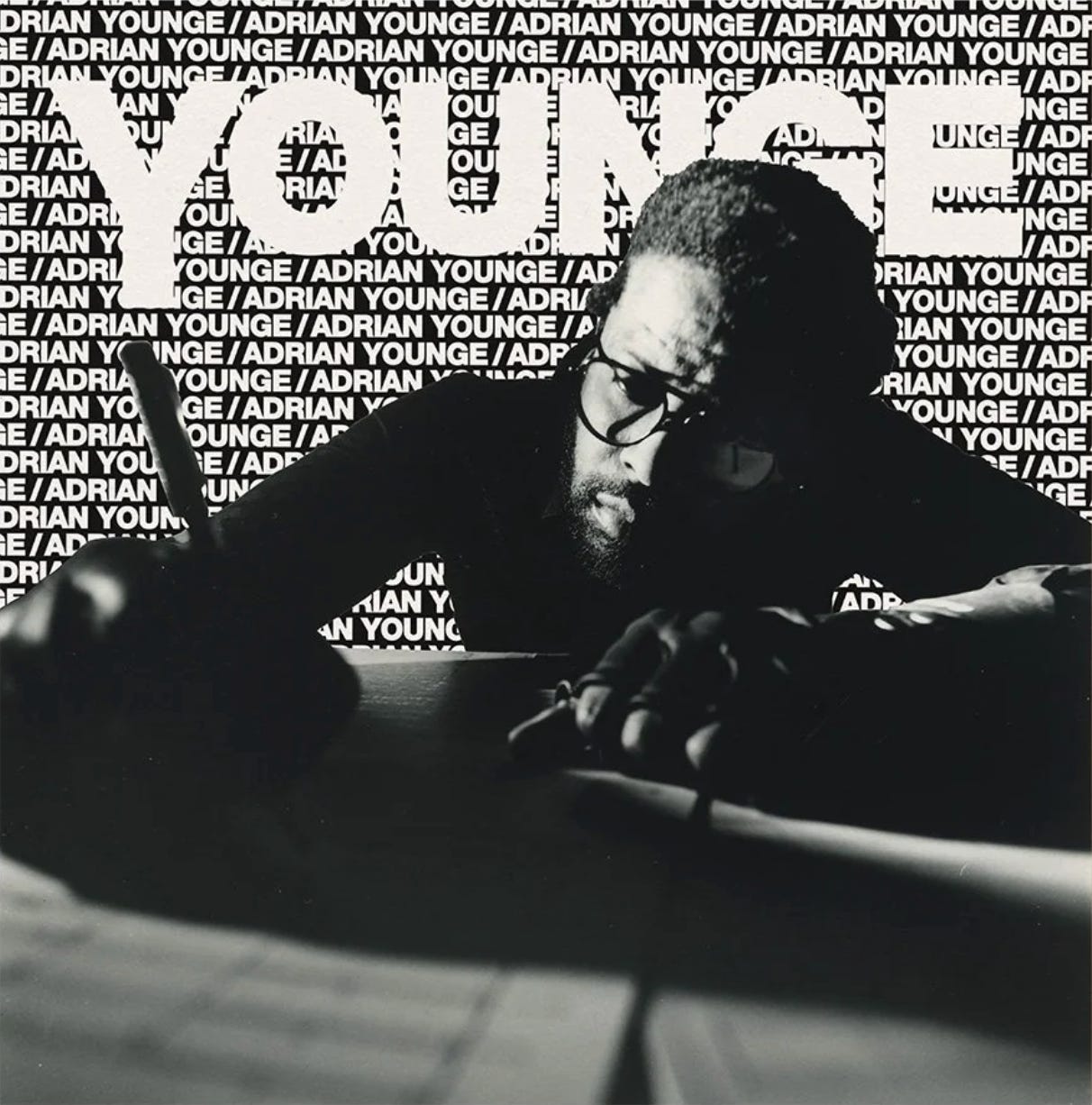
Younge is Adrian Younge’s magnum opus: a record that redefines what orchestral composition can mean for a new generation of jazz and hip hop. It is a bold, instrumental statement that positions Younge not only as a composer, but as an architect of a new musical language, one that looks backward and forward at the same time.

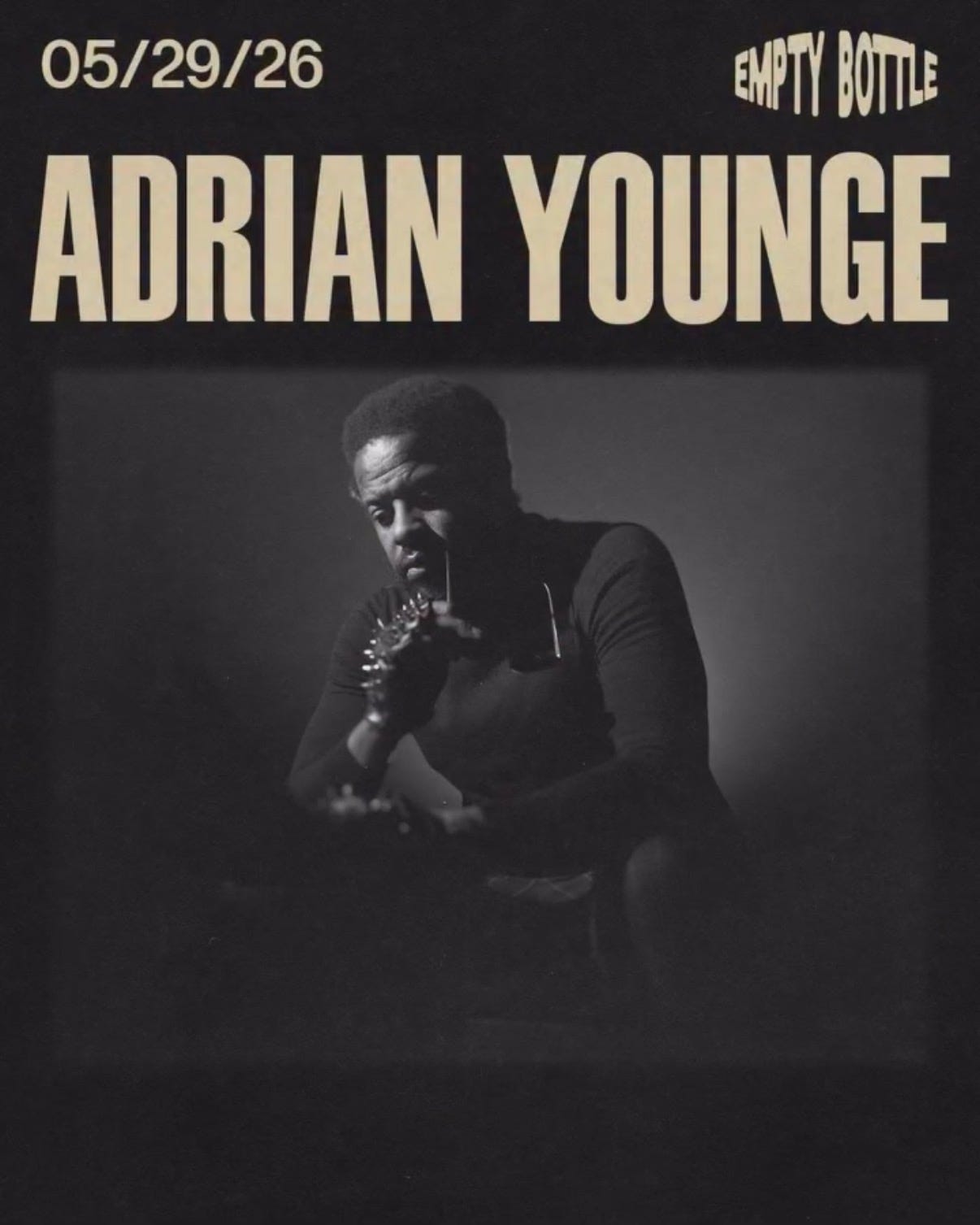
Tank and the Bangas
Live at Skirball
July 2, 2026
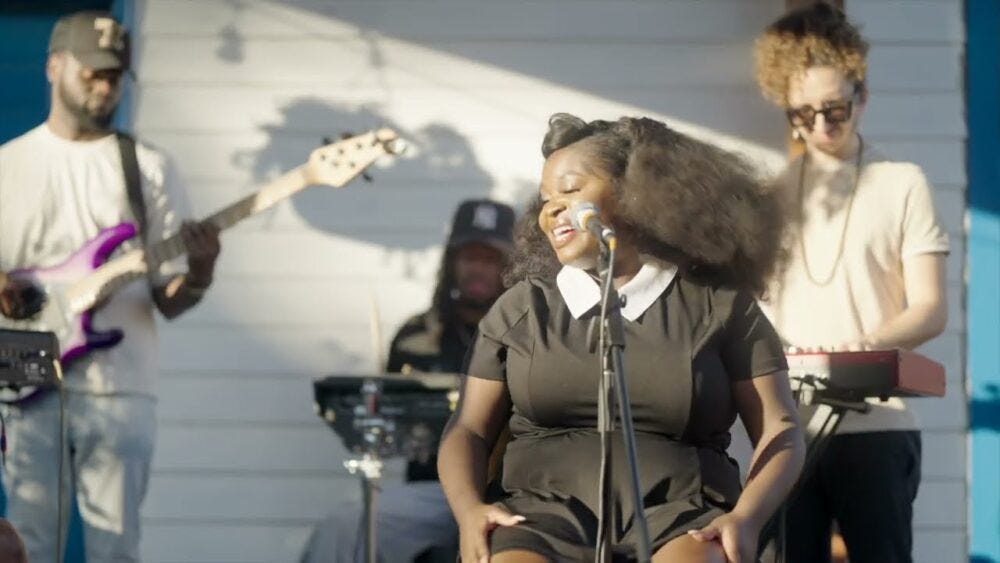
More events and music at jazzisdead.com and linearlabsmusic.com