The Ceiling Breakers
Joyce and the Art of Becoming Unbreakable

Jazz Is Dead Newsletter, by Leo Moraes
There is a quiet magic in looking back at the history of recorded sound and realizing just how much of it was shaped by hands that history tried to forget. For every icon who stood center stage under the spotlight, there were architects working in the wings (composers, instrumentalists, producers) whose gender made the climb steeper, the room colder, and the credit harder to claim. But here’s the beautiful truth: the music never lied. The grooves contain the evidence. And once you start listening for them, you hear the women everywhere, bending the harmony, driving the rhythm, writing the future.
Before we dive into our centerpiece, the immortal Joyce, let’s rewind the tape to the pre-MTV, pre-80s wilderness. We had trailblazers, not just performers. Think of Mary Lou Williams (1920s-40s), the pianist, composer, and arranger who was the spiritual and musical guide for the likes of Dizzy Gillespie and Thelonious Monk. In the 1950s, Hazel Scott was a classical and jazz prodigy who fought segregation in the halls of Congress while playing two pianos at once. Valaida Snow was called “Little Louis” for her virtuosic trumpet playing long before Wynton became a household name.
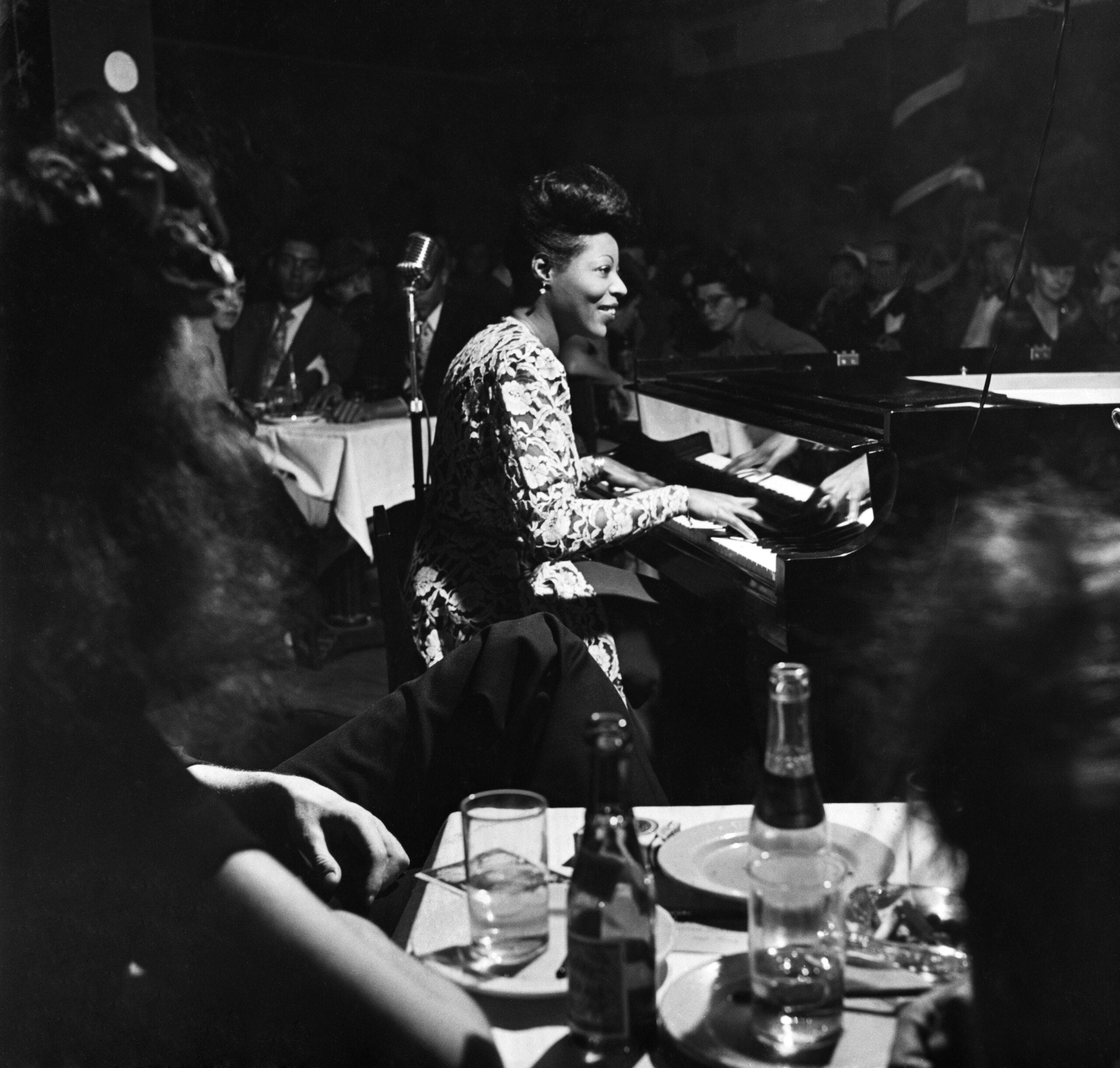
Mary Lou Williams
Then there were the architects. Like Carole King, who wrote the soundtrack to the 60s before she sang “Tapestry”. But even when these women earned the respect of their male peers (Miles Davis said that his legendary keyboardist, Joe Zawinul, learned how to perfectly accompany soloists and space his chords by playing with Dinah Washington; Gil Evans deeply admired Carla Bley’s big band compositions) they always hit the same glass ceiling. They could lead the band, but they couldn’t sign the check. The A&R men, the label presidents, the distribution gatekeepers? They were almost exclusively men who looked at a woman with a saxophone or a lyric sheet about existential dread and said, “That’s cute, but can you cover ‘Summer Samba’ in a bikini?”
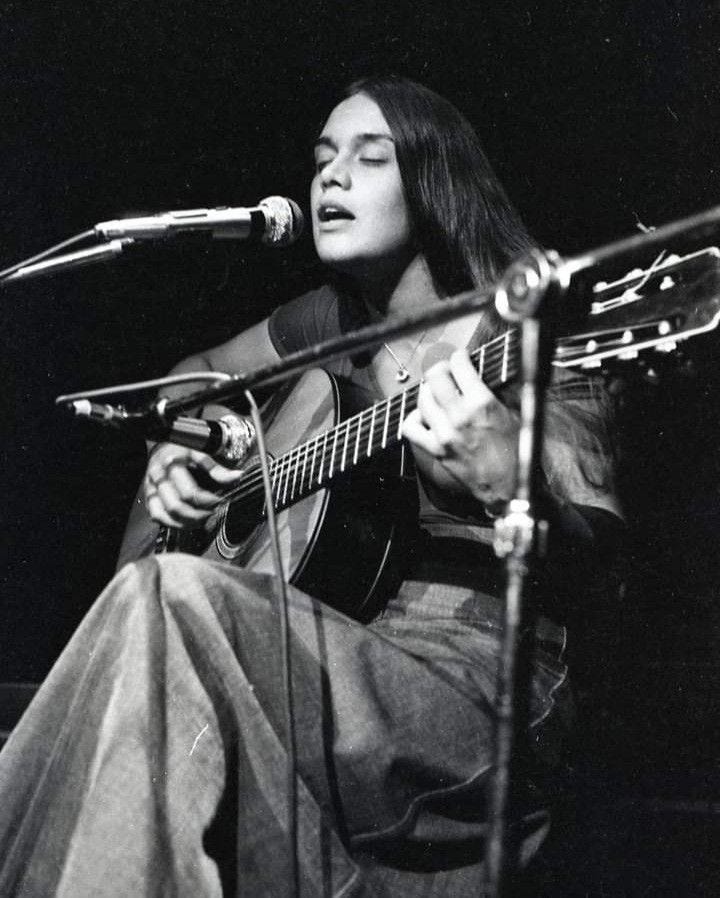
Joyce
This brings us to Joyce. Her full name is Joyce Moreno, but she is so singular that like Milton or Caetano, she needs only one.
Imagine the scene: Rio de Janeiro, the late 1960s and early 70s. You have a supernova of genius, the likes of Antonio Carlos Jobim, João Donato, Marcos Valle, Edu Lobo, Milton Nascimento. A truly brilliant generation. And in the room? Joyce. Alone. The only woman sitting at the table of composers, smoking the same cigarettes, drinking the same whiskey, bending harmony until it breaks.
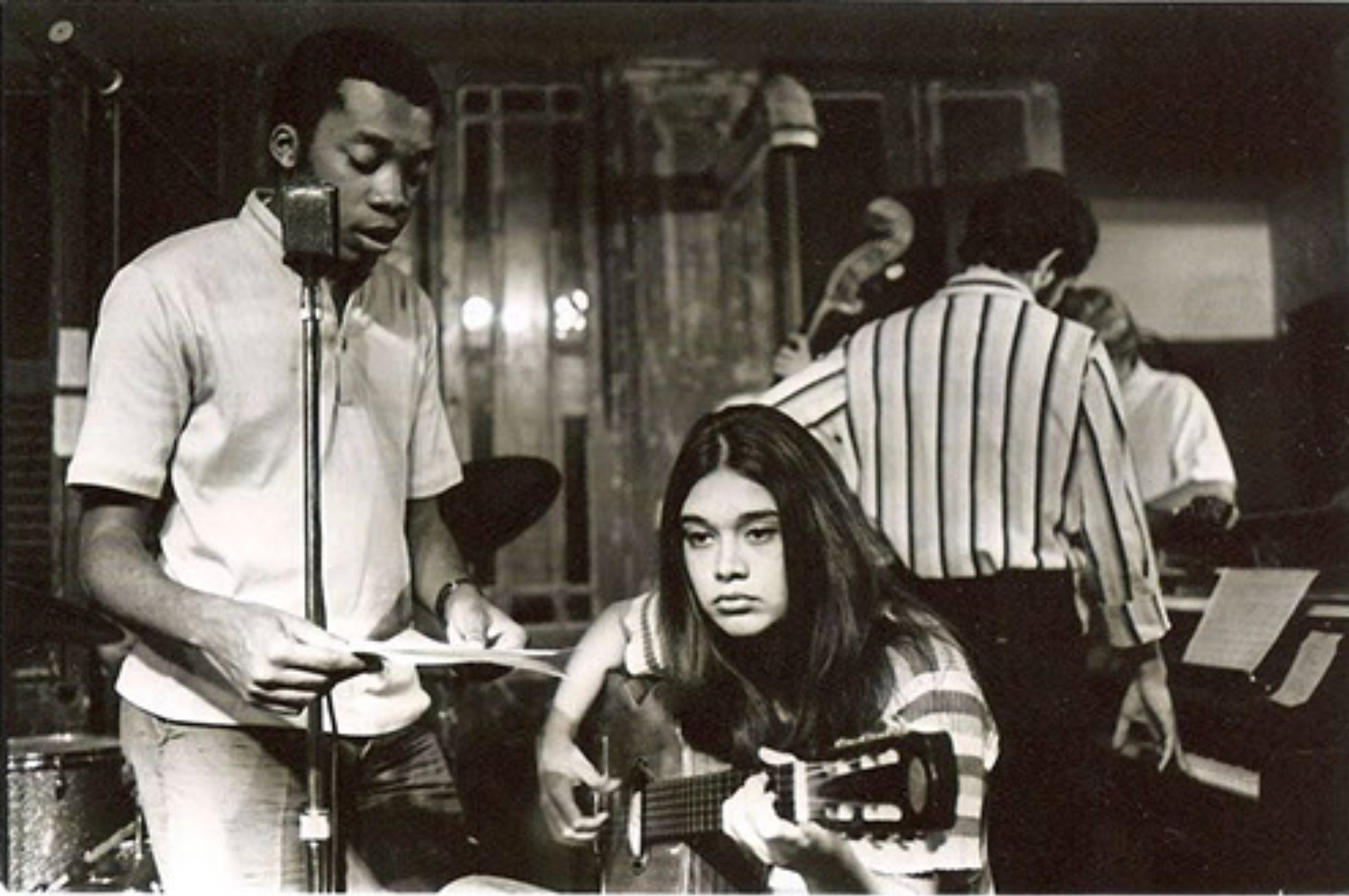
Joyce in the studio with Milton Nascimento
Here is what makes Joyce terrifyingly special: She was not a “female composer.” She was a composer. Period. She earned the respect of Jobim (who once called her one of the greatest singers of all time) and Donato not by playing cute, but by playing odd time signatures and writing lyrics that were sharp, poetic, and often brutally introspective. In a scene fueled by machismo and lighthearted bossa, Joyce brought the deep cut.
But the pressure? Immense. And it came from two directions at once. The male executives at Philips and Odeon didn’t care that she could modulate keys like a sorceress. They wanted the mold. They wanted her to write about love and longing in a passive voice. They wanted her to look like a tropical flower, not the intellectual equal of João Gilberto. They wanted to shrink her.
Then there was the dictatorship. Brasil’s military regime, which lasted 21 years, meant that Joyce spent the first two decades of her professional life trying to dodge censorship. The censors didn’t just look for political subversion; they policed morality, and a woman writing from her own body was a threat. At 19, Joyce’s first festival entry, “Me Disseram,” caused scandal for containing the phrase “meu homem” (”my man”). She was called “imoral”. Later, at the height of the censorship machine in the early 1980s, she had a song banned for containing the words “grávida” (pregnant) and “parir” (to give birth) . The female perspective, she recalls, bothered them too much .
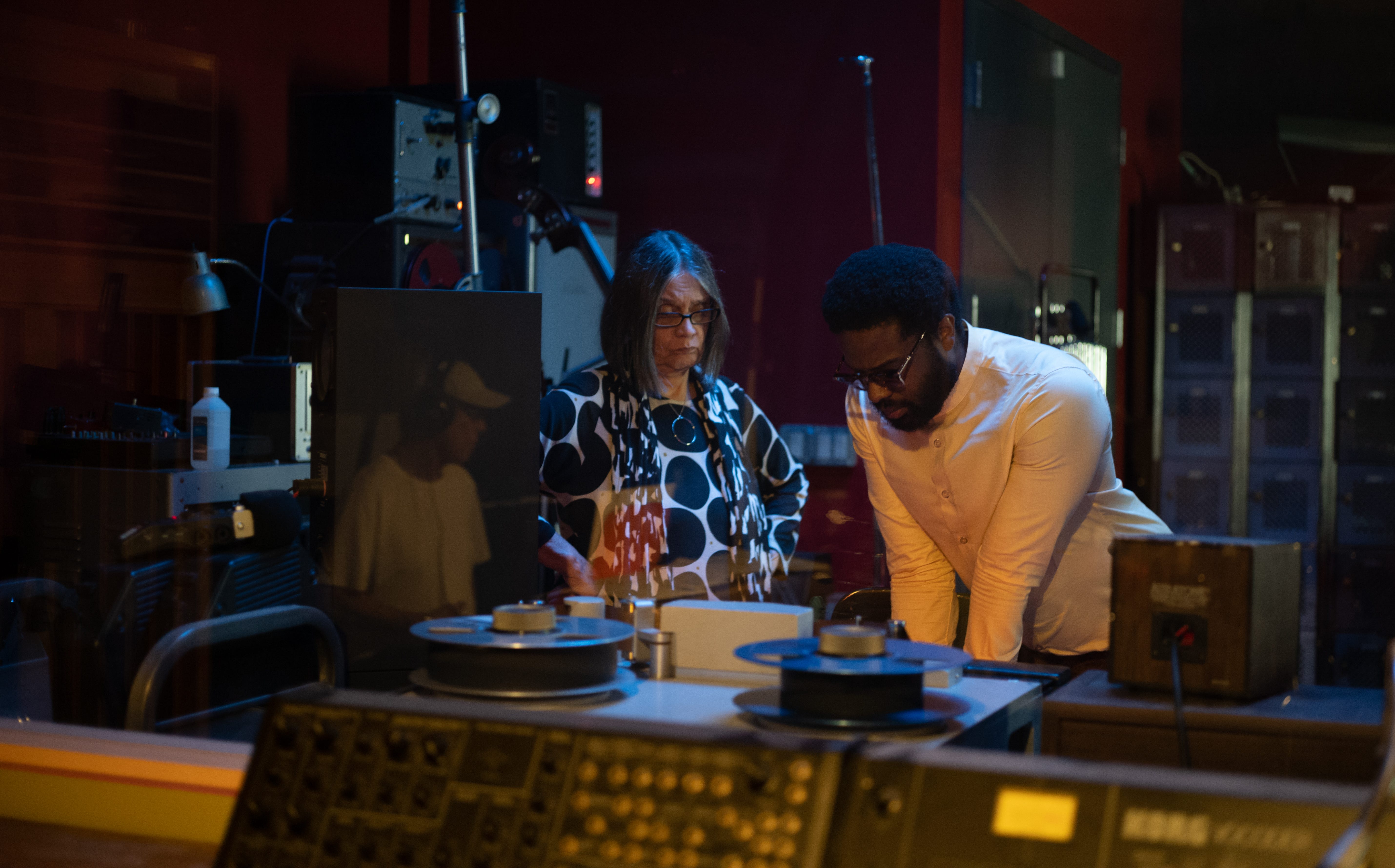
Joyce and Adrian Younge (Tutty Moreno in the reflection)
Joyce refused to be silenced. She found her voice not by shouting, but by outsmarting the system. Like her male contemporaries she learned to write in metaphors, cloaking her truth in poetic imagery that the censors were too slow to decode . She wrote about the dust on the floor, the tension of domesticity, the wildness of the ocean. She challenged the executives by simply refusing to disappear. She played guitar with a ferocity that scared session players. She wrote “Feminina” (literally “feminine”) as a manifesto of self-definition, not submission. An intergenerational conversation between mother and daughter about what it means to be a woman .
Then, life happened. In the late 70s, at the peak of her creative powers, Joyce became a mother. And here is the line where the industry fails, but the human being wins. She made the conscious, radical choice to slow down. She put the international tours on hold. She prioritized the child over the microphone.
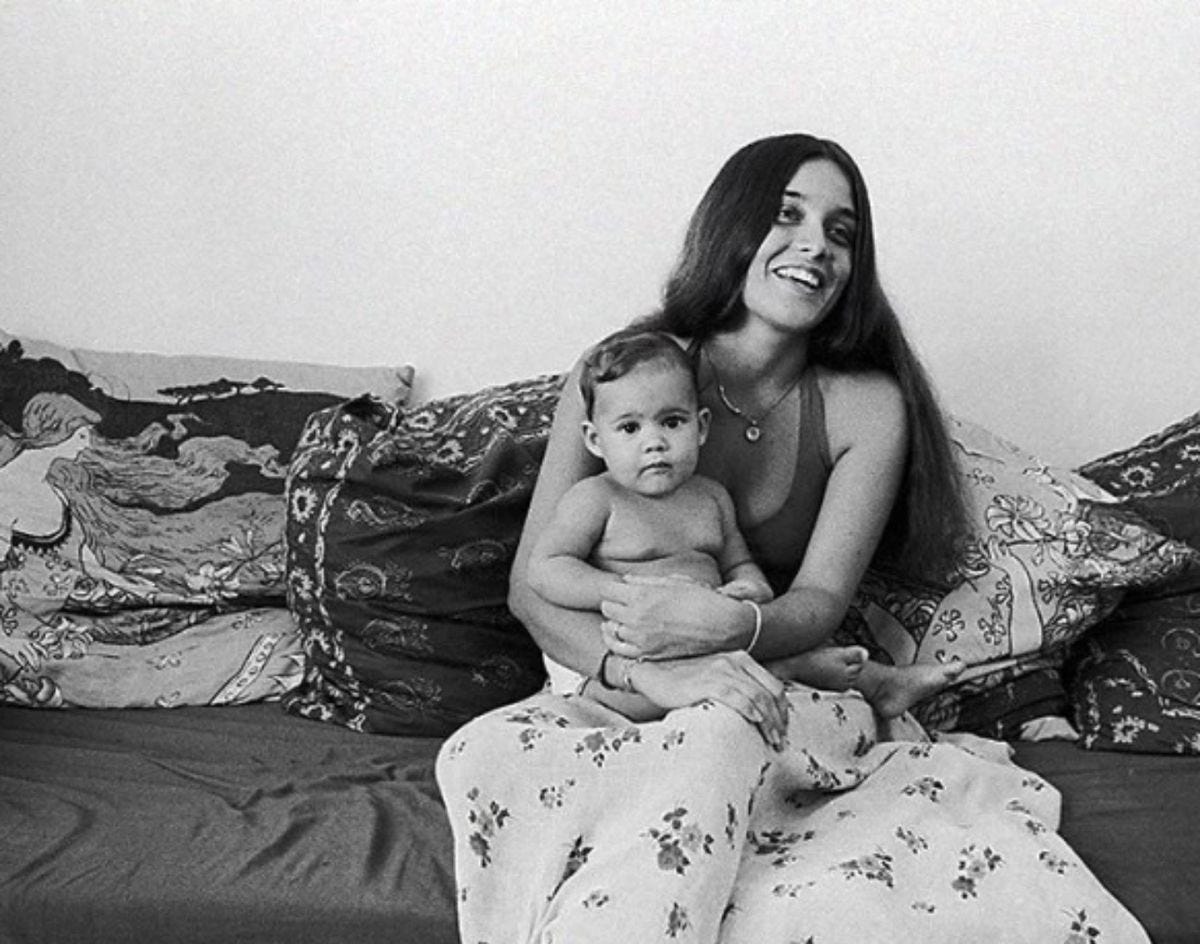
Most male musicians never make that choice. When they do, it’s a magazine cover story (”Rock Star Dad Takes Baby on Tour!”). When Joyce did it, the industry shrugged and moved on to the next young thing. For nearly a decade, she was a whisper among connoisseurs rather than a roar on the charts.
But Joyce is patient. Joyce is stone.
The longevity of her career, spanning now over five decades, is not an accident. It is a testament to three things:
1) A compositional catalog so deep that modern producers are still mining it for rare samples.
2) A will of iron wrapped in a whisper.
3) The quiet, radical support of her husband, the phenomenal drummer Tutty Moreno.
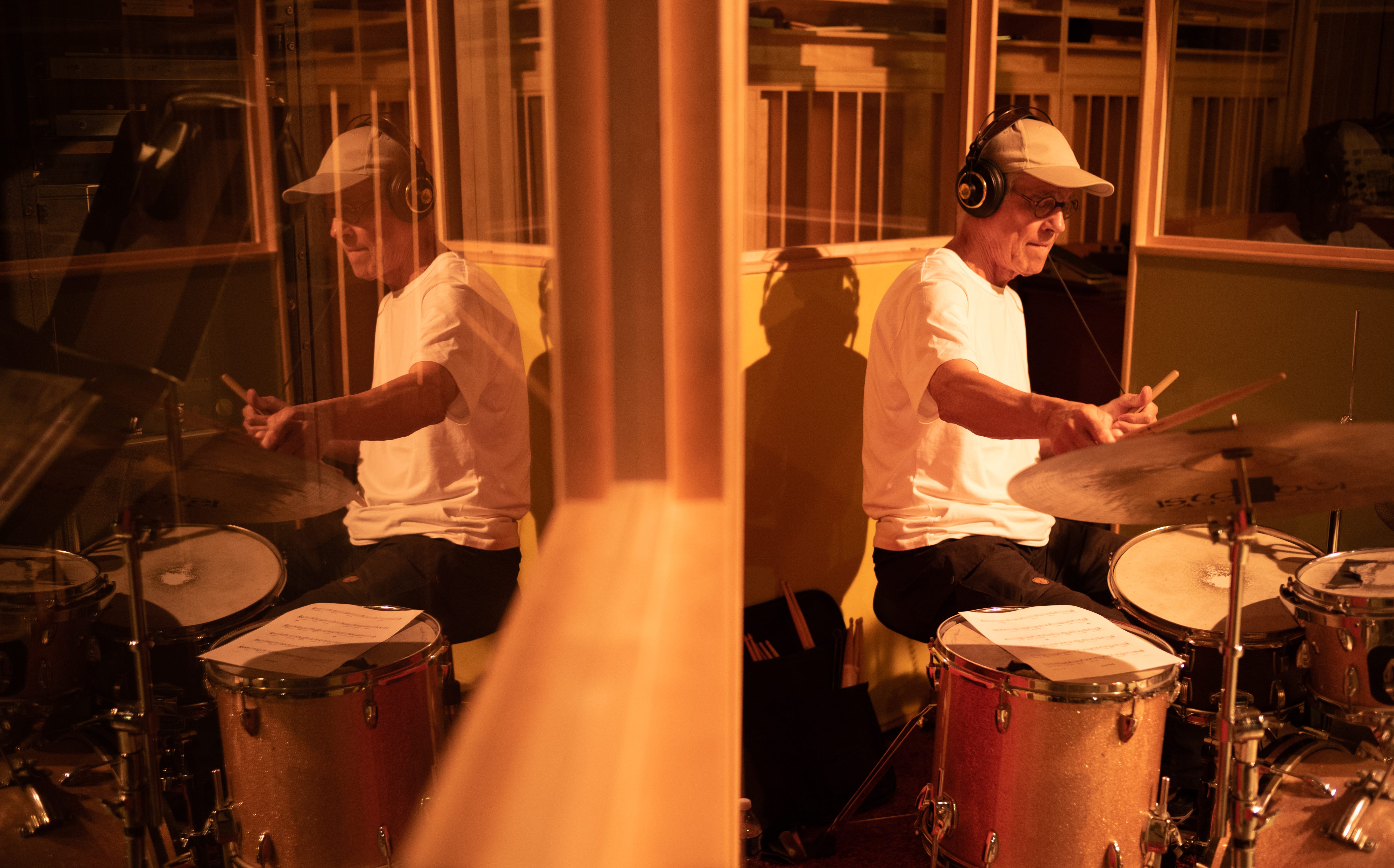
Tutty Moreno recording JID027 Joyce & Tutty Moreno
We need to name Tutty here. In a story full of men who felt threatened by their wives’ success, Tutty was the foundation. He didn’t just support her; he locked in the rhythm for her. He became the drummer in her band, the father of her child, and the roadie who carried the gear so she could walk on stage with her head high. He is the unsung bassline in the track of her survival. Without that partnership, the story of Brazilian music is incomplete.
Today, Joyce stands as the godmother. She doesn’t fit the mold; the mold broke trying to contain her. She proved that you can be the only woman in the room, earn the respect of the giants, stare down a dictatorship, and then step off the carousel to raise a human being... and still come back to claim your throne.
As she once put it, reflecting on her generation of artists who faced the censorship machine: “Enquanto tiver bambu, tem flecha”—as long as there’s bamboo, there’s an arrow .
So when you spin that JID027 Joyce & Tutty Moreno LP, or the rare Feminina original pressing you hunted for years, don’t just listen for the beauty. Listen for the resistance. Listen for the woman who looked at a room full of geniuses and a regime full of censors and said, “Move over.”
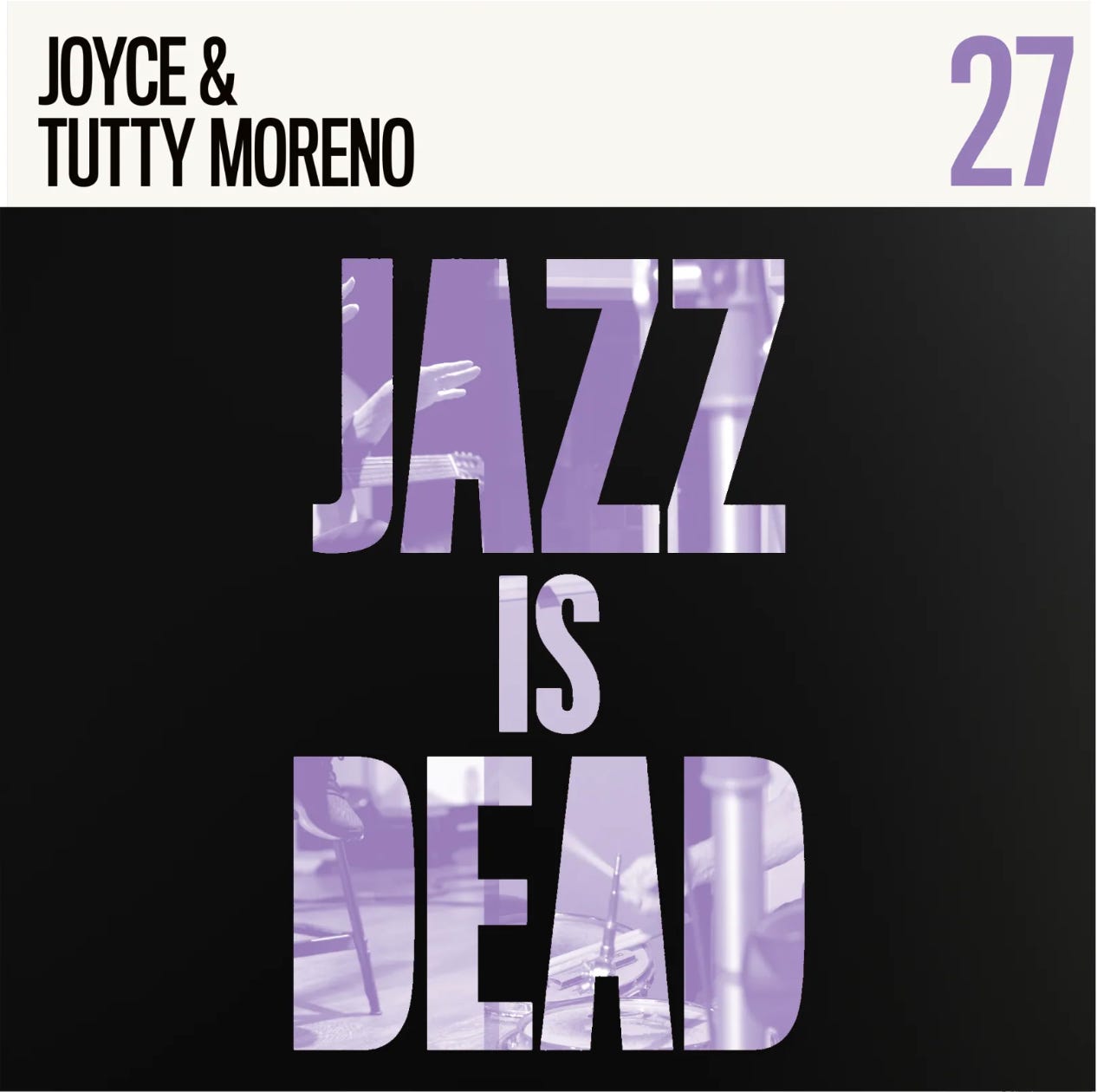
JID 027 - JOYCE & TUTTY MORENO
Joyce & Tutty Moreno, the legendary architects of Brazilian sophisticated samba, have. partnered with Adrian Younge to complete JID027- a deeply emotional album born from tragedy. Set in motion by the endorsement of their late friend João Donato, the project became a tribute to him following his sudden passing. The result is a breathtaking collection of improvisation, poetry and resilience.
YOUNGE
“Younge is enigmatic and expansive, like the soundtrack to an imagined movie” —The Observer magazine (UK)
Dreamhouse Records album of the week for Record Store Day 2026 (UK)
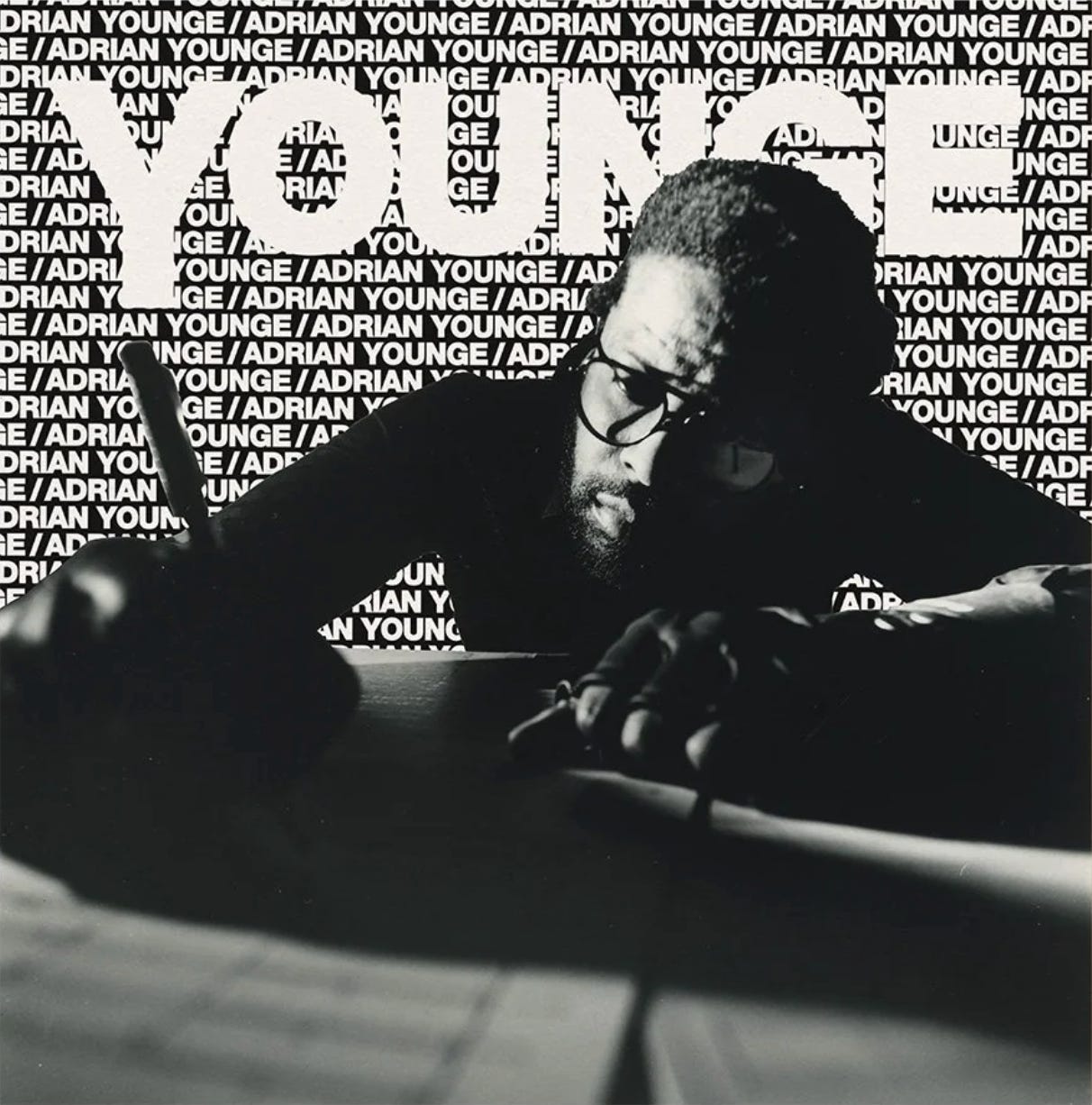
Younge is Adrian Younge’s magnum opus: a record that redefines what orchestral composition can mean for a new generation of jazz and hip hop. It is a bold, instrumental statement that positions Younge not only as a composer, but as an architect of a new musical language, one that looks backward and forward at the same time.
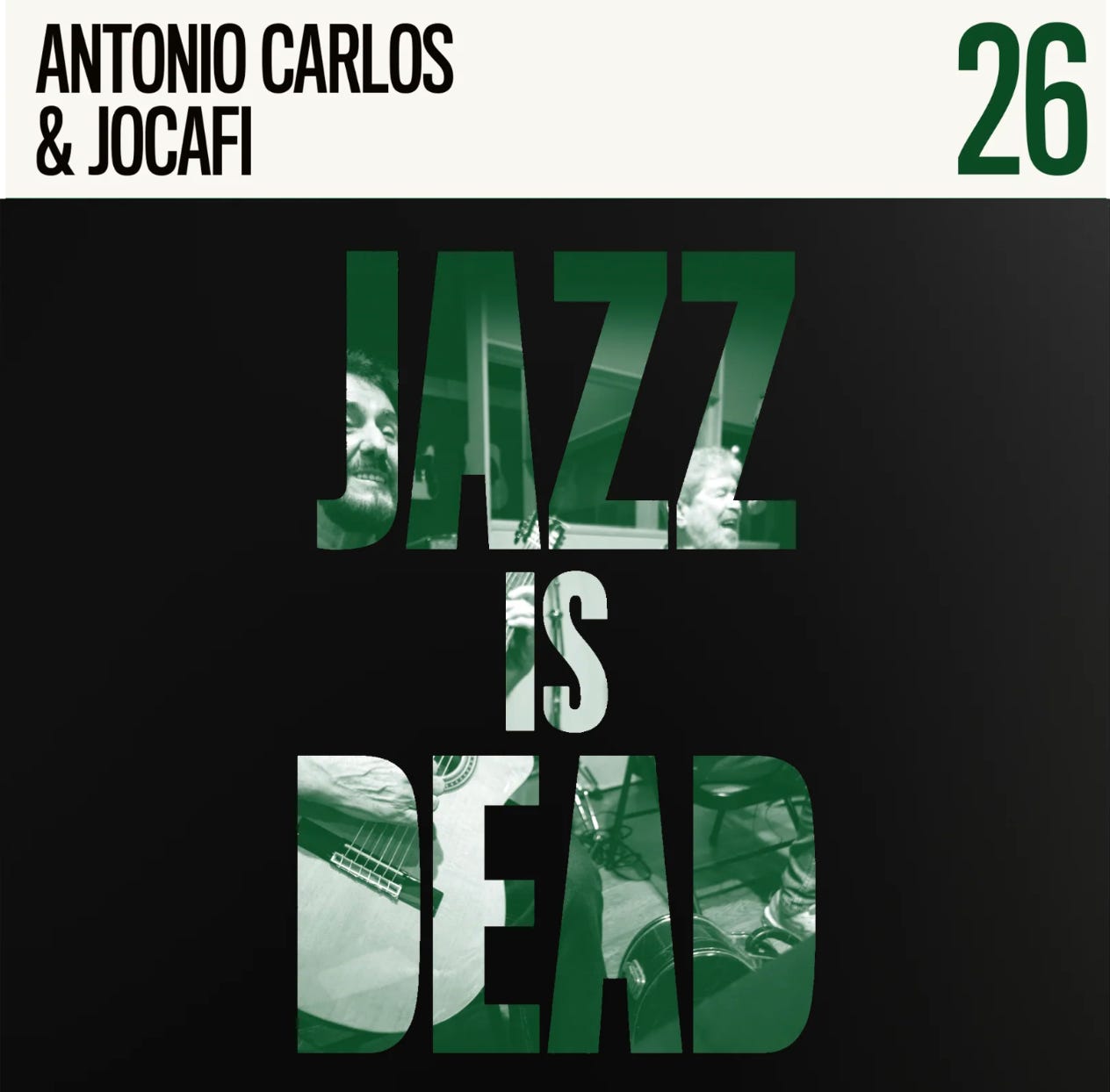
JID 026 - Antonio Carlos e Jocafi
"A celebration of the culture, resilience, and joy of Bahia — proof that jazz and Brazilian music are never dead." — Playlist Magazine (Mexico)
UPCOMING EVENTS

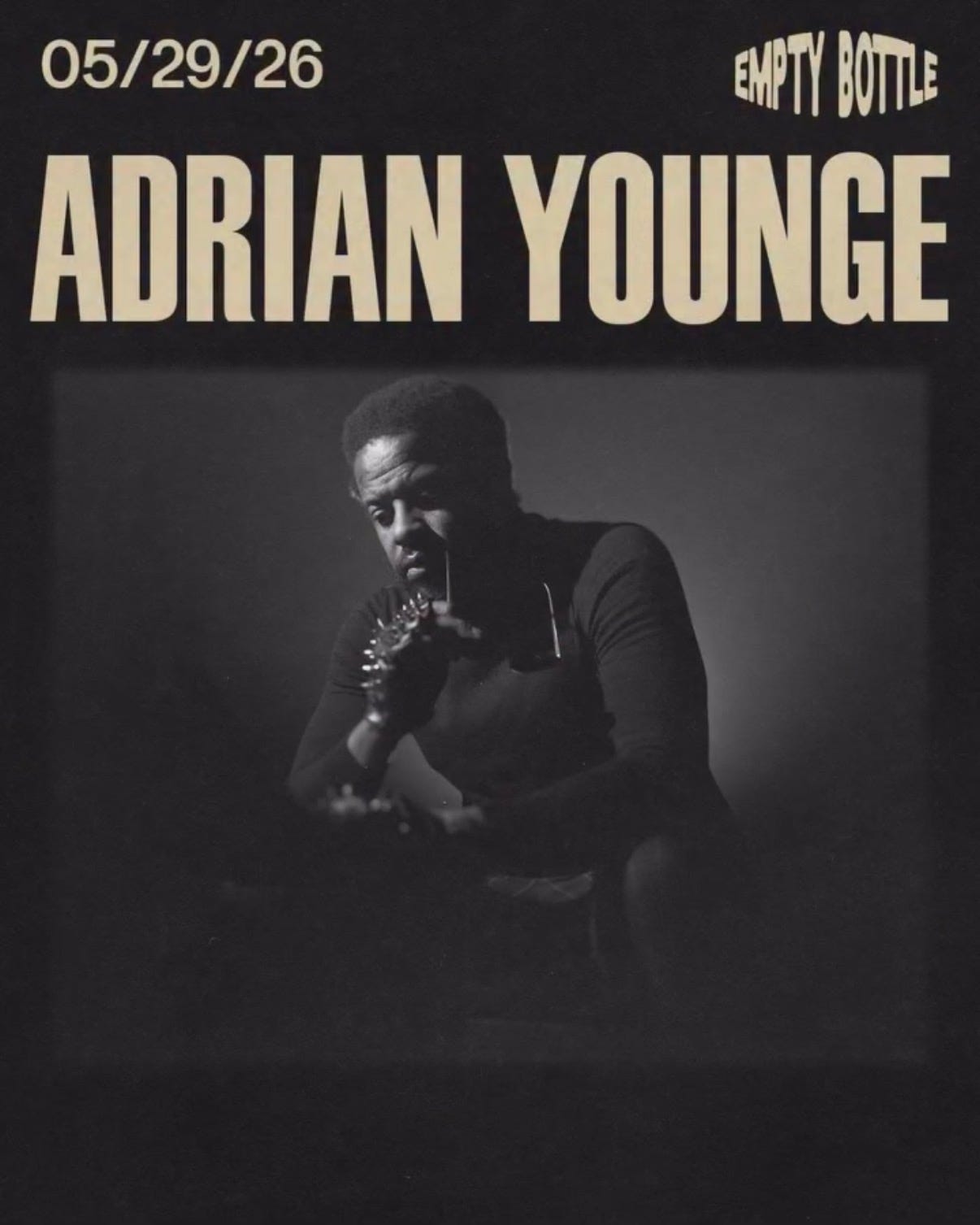

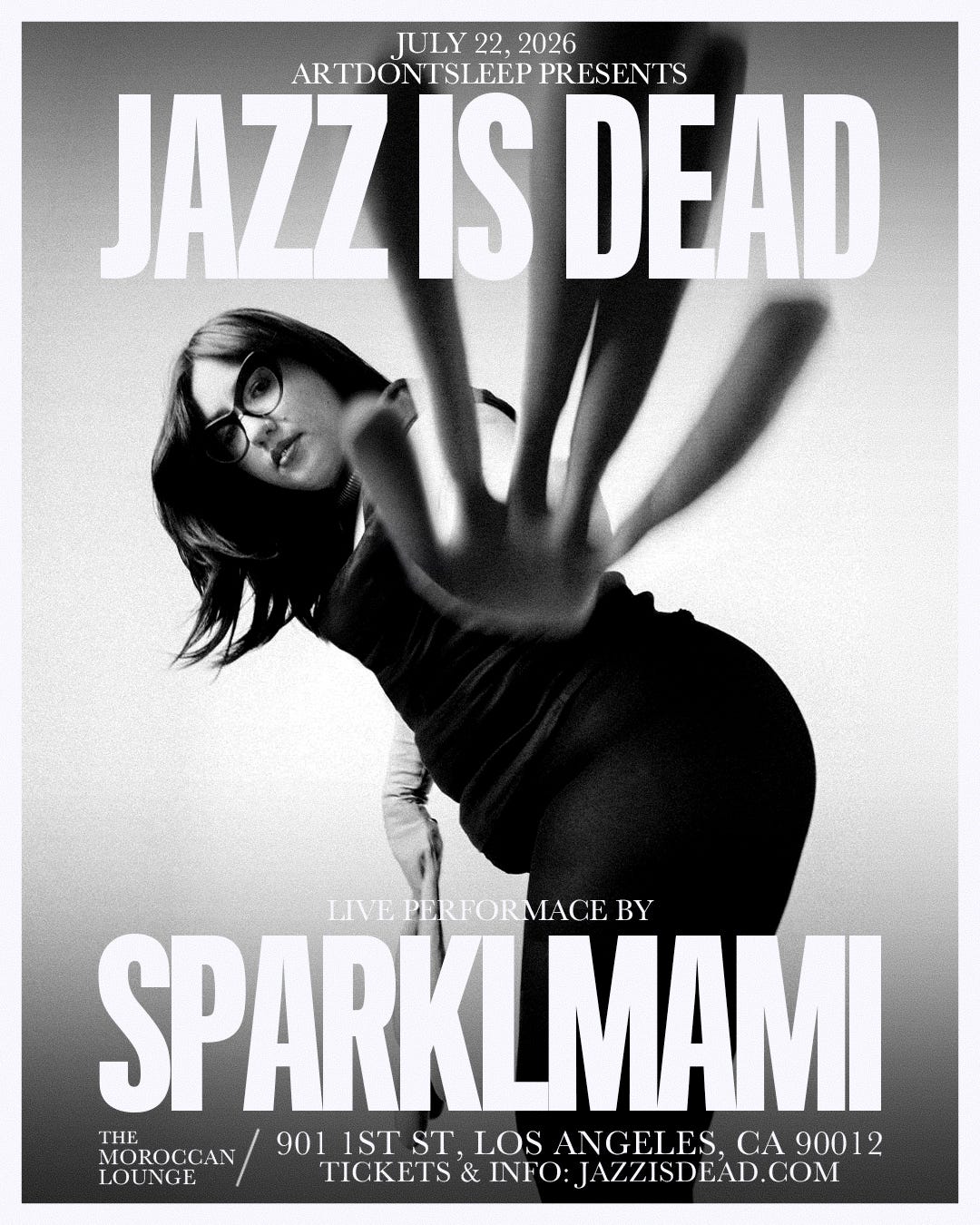
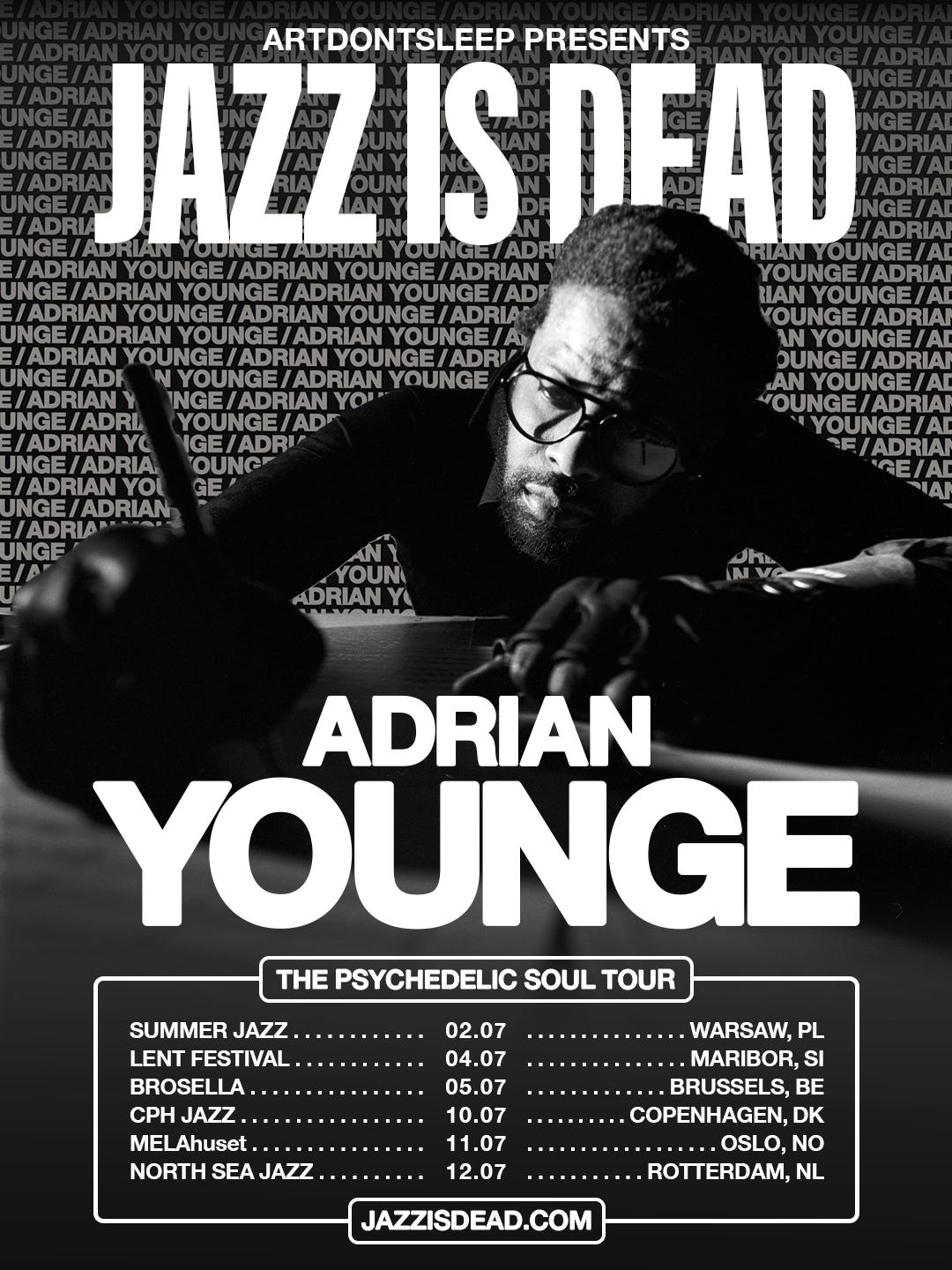
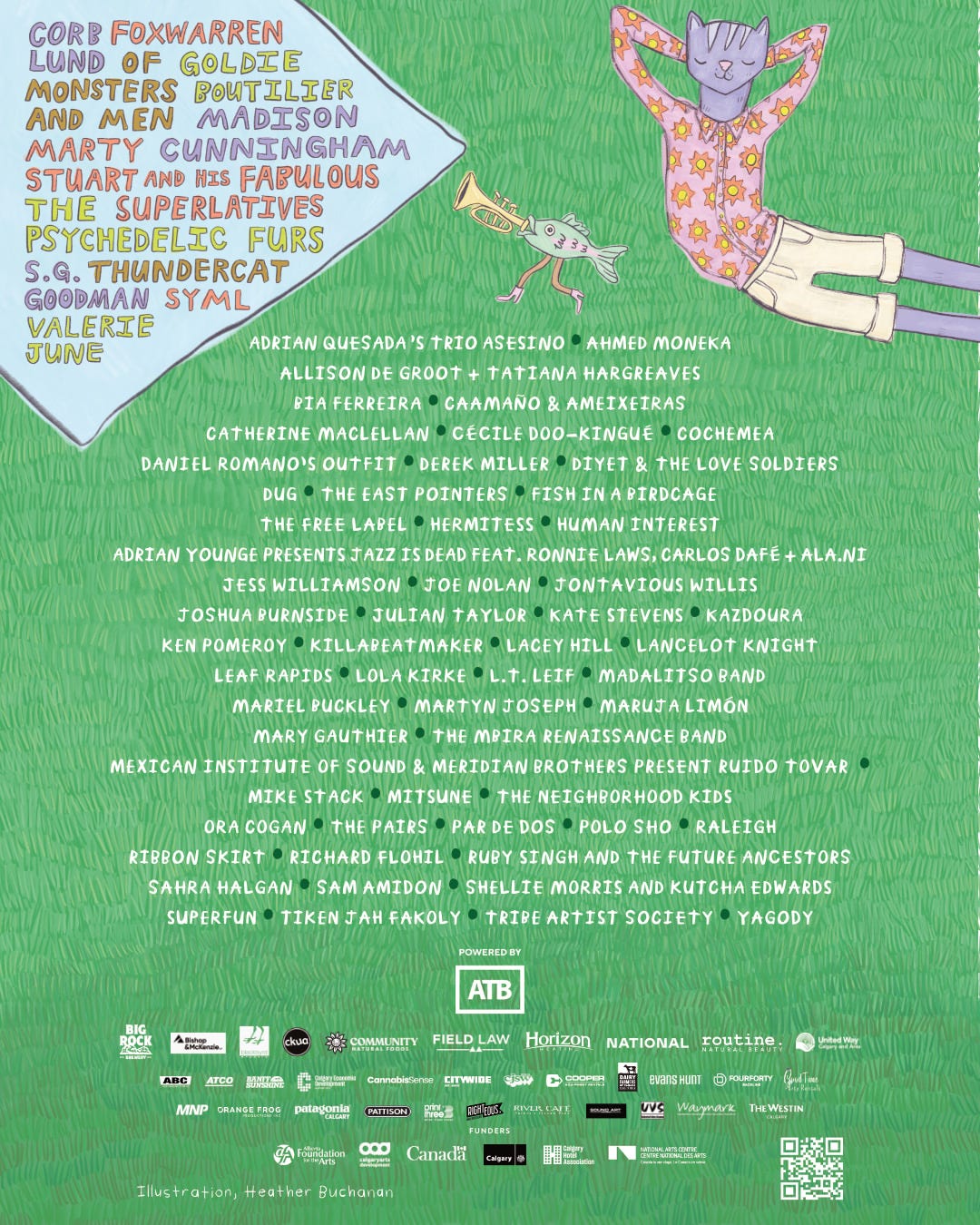
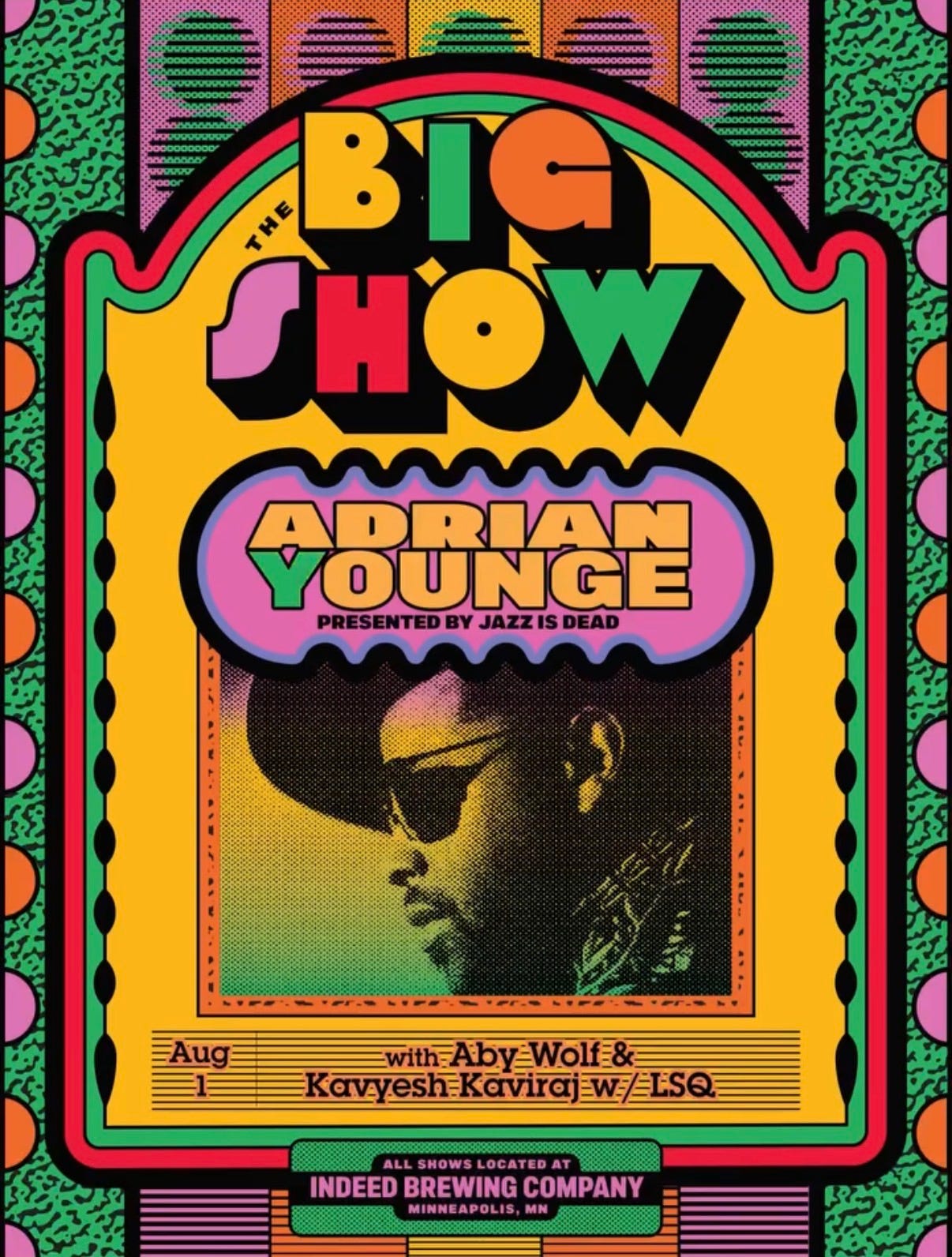
Adrian Younge Presents Jazz Is Dead feat. Ronnie Laws, Carlos Dafé & Ala.ni
July 24 and 25 at the 47th Calgary Folk Music Festival
Visit us at jazzisdead.com and linearlabsmusic.com
🖤✨✨✨✨ love this one!!!