Stolen Frequencies
From Rooftops to Radio: The Pirate Spirit Behind KJAZZ Is Dead

By Leo Moraes
Viçosa is a small university town in the interior of Minas Gerais, Brasil. In the late 1980s, a group of fifteen-year-olds (not particularly cool ones, the kind who read electronics magazines and spent weekends soldering circuit boards) built an FM transmitter from a diagram they found in one of those magazines. We’d take turns hosting it at each other’s houses, whoever had it that night would put on records and broadcast into the air, while the others tuned in from their own bedrooms. We were too young and too broke for clubs or concerts; the music was the thing, and this was how we got to share it. At first it was just friends listening together while apart, a workaround for the particular loneliness of being a teenager in a small town with big tastes. But word got around, and eventually there were strangers tuning in, an invisible audience we never knew exactly the size of. We started embedding encrypted messages in the broadcasts, inside jokes and signals hidden between or in the middle of songs, things only the inner circle would catch. It was music and it was community and it was, in the most modest possible sense, power: the strange, electric understanding that sound could leave one bedroom and arrive in countless others, and that whoever was listening on the other end would feel it.
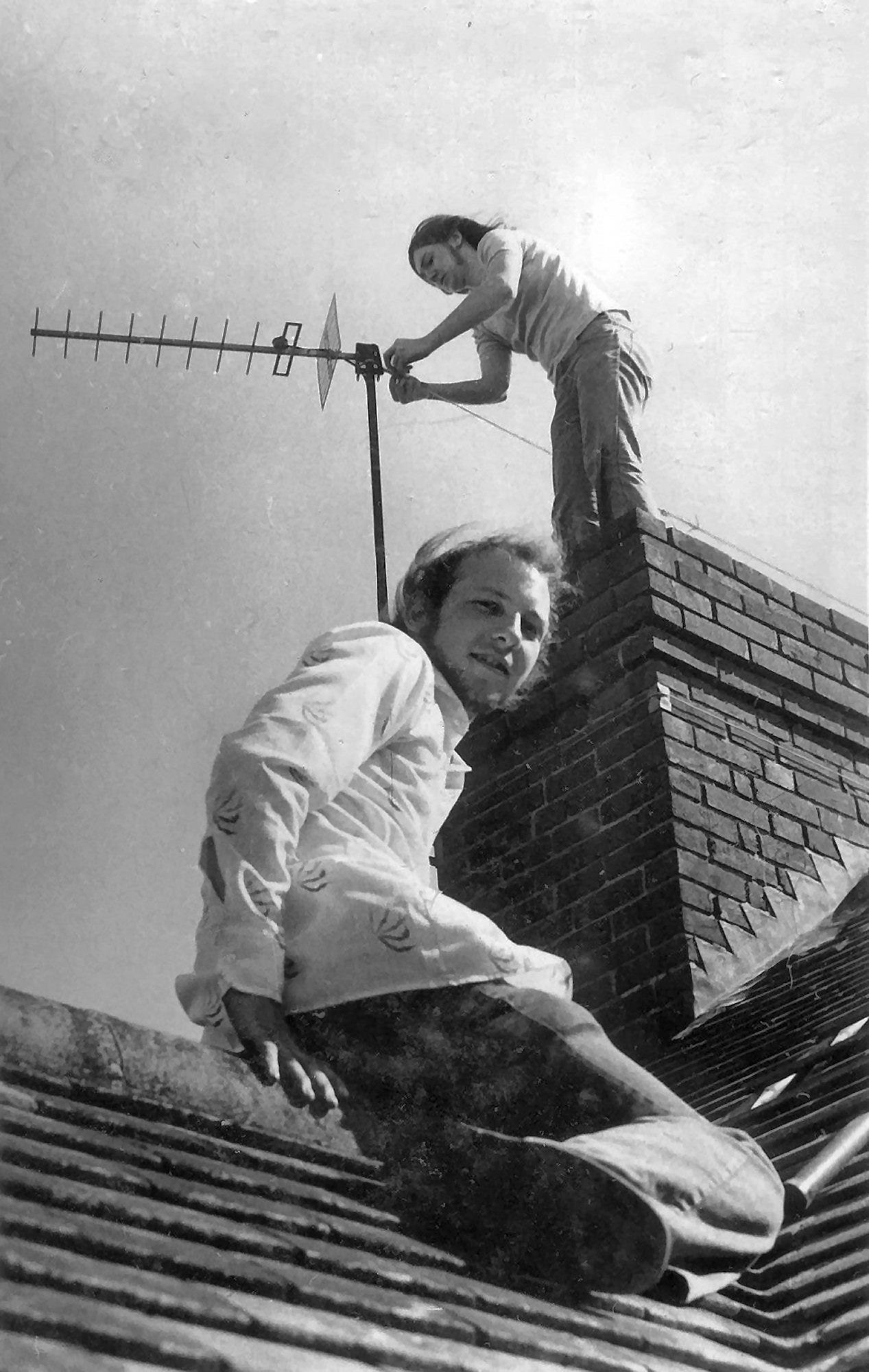
Others had discovered this power long before us, and wielded it a lot more purposefully than a bunch of nerdy teens ever could.
In 1964, an Irish artist manager and record label owner named Ronan O’Rahilly found himself unable to get airplay for one of his artists. The BBC controlled British radio with an iron schedule, and what it wouldn’t play, which was most of what young people actually wanted to hear, simply didn’t exist on the dial. O’Rahilly didn’t lobby for reform. He bought a boat, anchored it just outside British territorial waters, and started broadcasting rock and roll from the North Sea. He called it Radio Caroline, and by 1966 it had 23 million listeners.
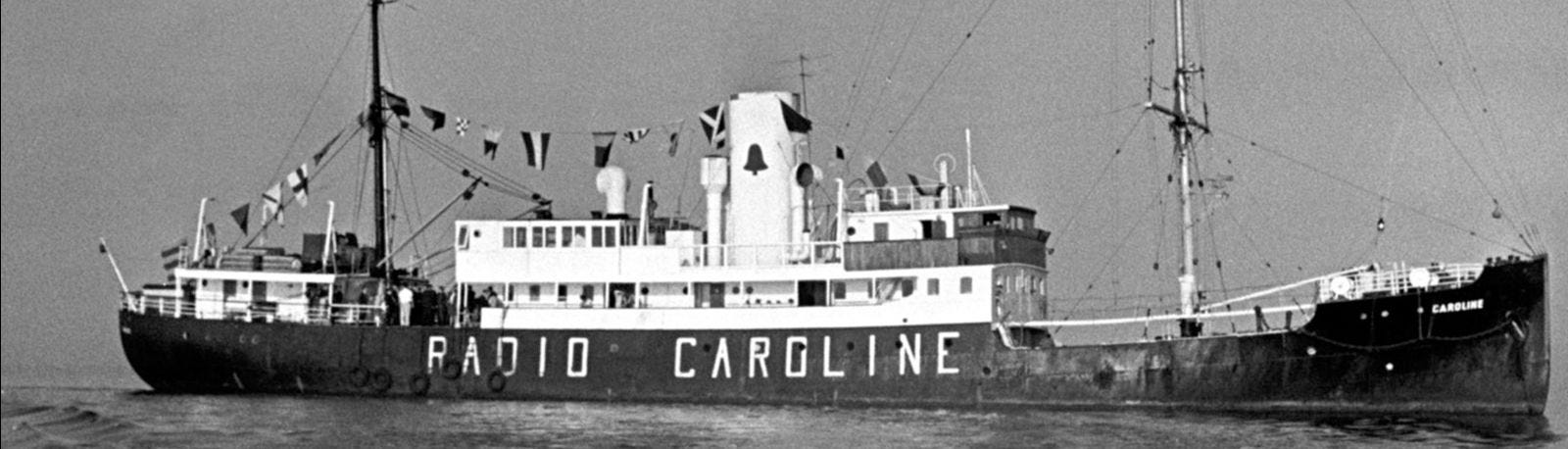
By 1967, ten pirate stations were reaching an estimated 10 to 15 million people daily, and the BBC, facing the reality that the island had tuned them out, restructured its entire operation that year, creating Radio 1, 2, 3, and 4 in direct response to the pressure of ships full of young people playing records that someone had decided weren’t appropriate for the public airwaves. O’Rahilly described the whole thing simply: “It was a little ship and a bunch of young people doing it against the entire forces of the establishment.”
The establishment always builds the walls. The music always finds a way through.
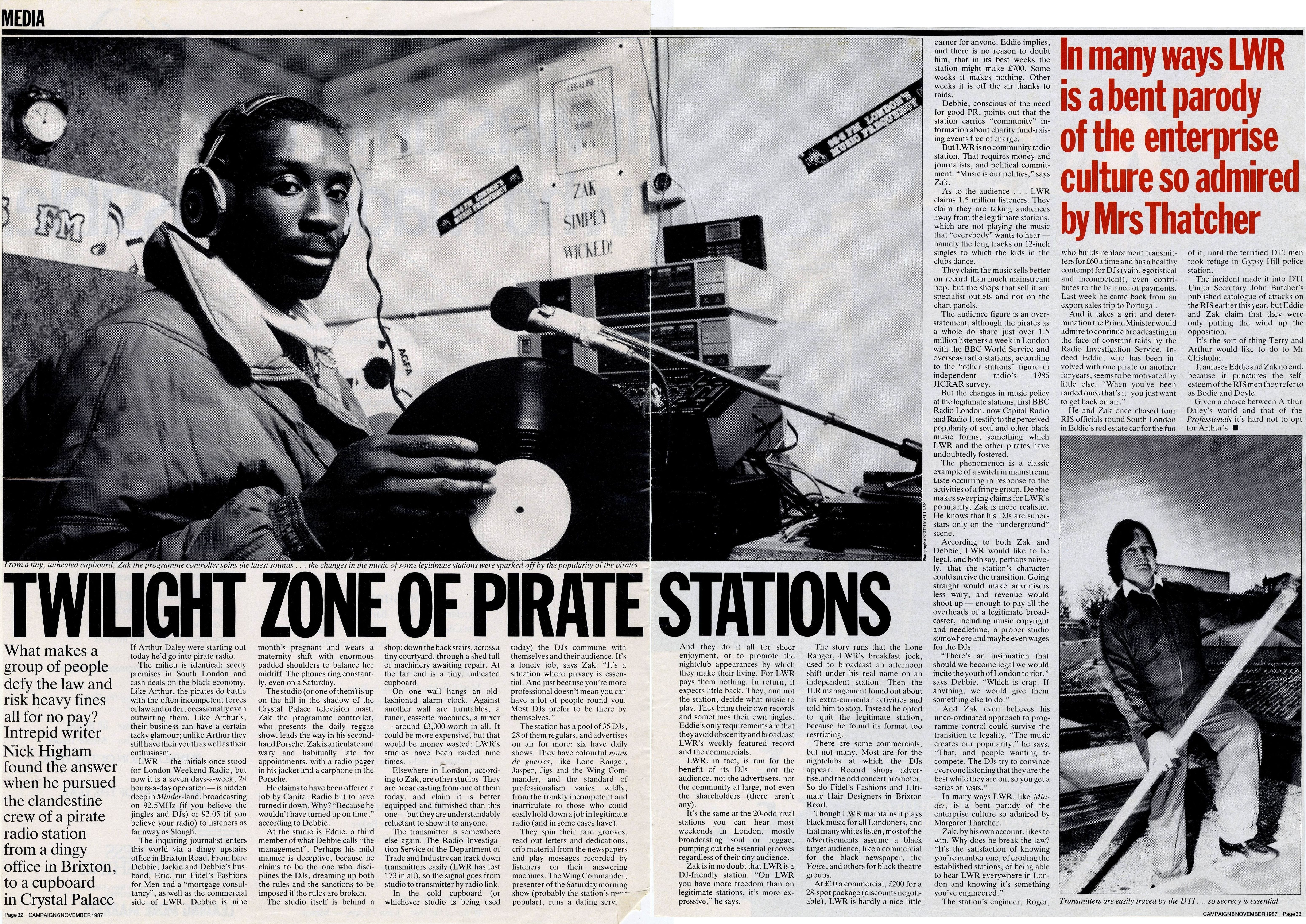
Spin the clock forward twenty years and the ships are gone, replaced by tower blocks, the brutalist high-rises that had gone up across London in the postwar decades, housing the working-class and immigrant communities the city depended on but rarely celebrated. By the 1980s, a new generation of Black Londoners had concluded that commercial radio had no interest in the music they were making or listening to, or the communities they came from, so they climbed, carrying equipment up stairwells, hiding transmitters in biscuit tins, running cable out of windows and mounting antennas on rooftops in Hackney and Brixton and the parts of the city that didn’t show up in any broker or travel agent’s brochures. By the end of the decade there were 600 pirate stations operating across the UK, 60 in London alone, and every genre that would define the next thirty years of English music — jungle, drum and bass, garage, grime — incubated on frequencies that weren’t supposed to exist. Rinse FM started in 1994 with an aerial on a broom handle and went on to become the home of grime, a genre that was itself born from exclusion: younger MCs locked out of the garage scene, building their own platform instead of waiting for an invitation. The authorities raided. The transmitters moved. DJ Slimzee, one of the first to play what would become grime, was eventually served an ASBO (Anti-Social Behaviour Order) prohibiting him from entering the roof of any building over four storeys high without permission, which is one of the most poetic criminal records in the history of music.
The pattern, across every decade and every continent, is always the same: a community that isn’t being served builds its own antenna, broadcasts its own sound, and offers the outsiders, the daring, the inspired spirits of the underground a platform for invitation, discovery, and celebration. The mainstream co-opts what it can and ignores the rest, but the transmission has already done its work: the audience has already found itself, its voice, because those expressing it understood that what they love is worth fighting for.
That spirit is what Adrian Younge and Ali Shaheed Muhammad have been living since long before Jazz Is Dead had a name. Friends in a room with records, sharing what they love, trusting that whoever’s listening will feel why it matters. That is the pirate radio ethos, and it is also, at its most essential, what Jazz Is Dead has always been. A conversation between friends that kept getting louder: from a room to a label, from a label to a concert series, from a concert series to a movement that has brought legends from Rio to Accra to New York through the doors of Linear Labs in Los Angeles to make music that wouldn’t exist without that original act of faith. The infrastructure has changed. The conviction hasn’t.
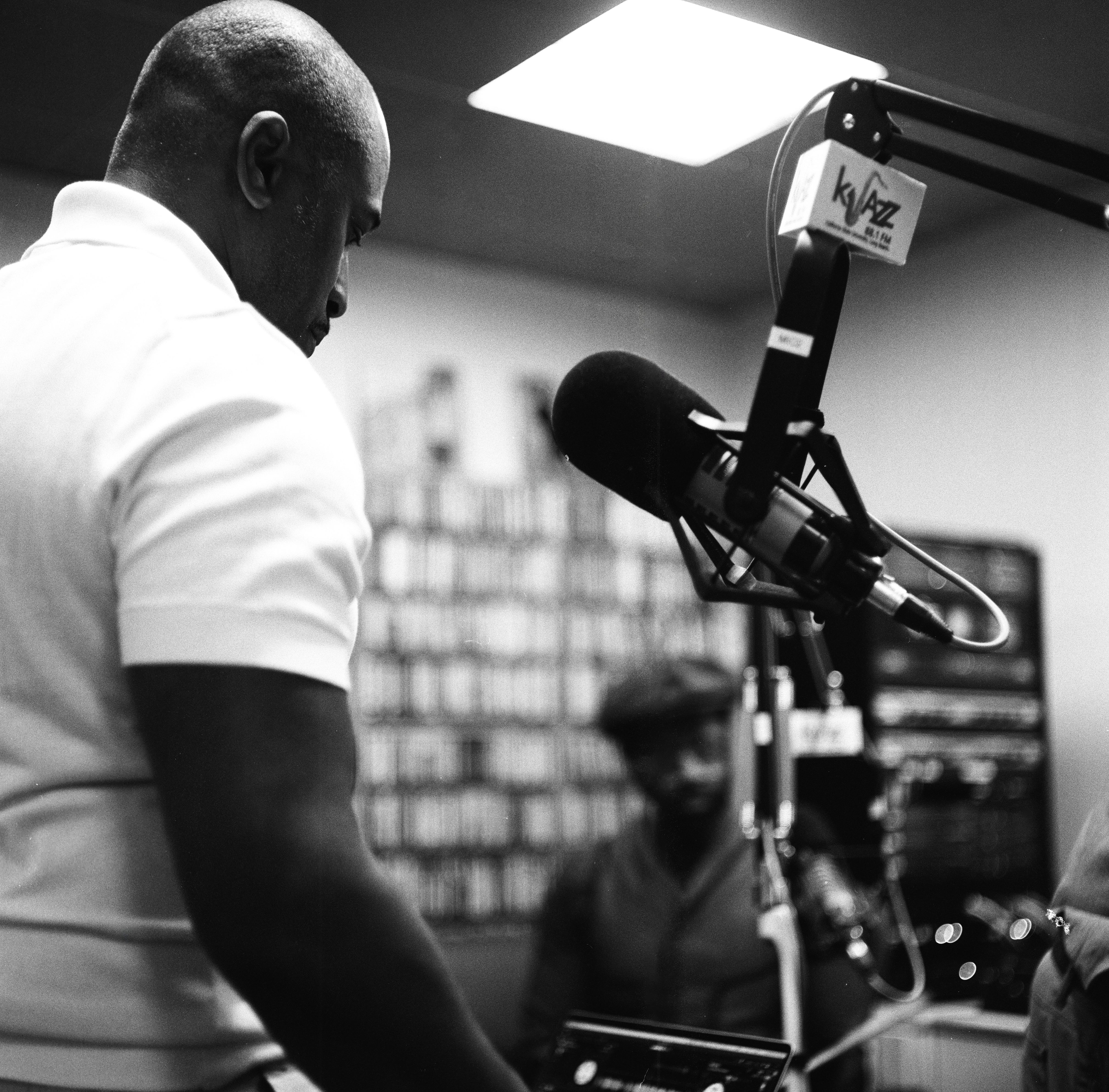
Now that ethos, that essence, is being broadcast for all kindred spirits and curious souls. Every Friday from 6 to 8pm PT, Adrian Younge and Ali Shaheed Muhammad will host KJAZZ Is Dead on KKJZ 88.1 FM. Two hours of music, context, surprise guests, and the kind of deep listening that has always defined what we do. Think of it as Adrian and Ali doing what they’ve always done: talking to each other and their friends about the music they love, working through its history and its meaning, playing things you need to hear: only now with the whole city tuned in. Those teenagers in Viçosa understood something real about why that matters. So did the kids climbing stairwells in Hackney with transmitters under their arms. The frequency was never the point. The point was always the music, and the community that forms when someone believes in it enough to put it on the air.
Tune in Fridays, 6 to 8pm PT, on KJAZZ 88.1 FM, or online here.
This Sunday in LA!

New! Limited Items From Jazz Is Dead
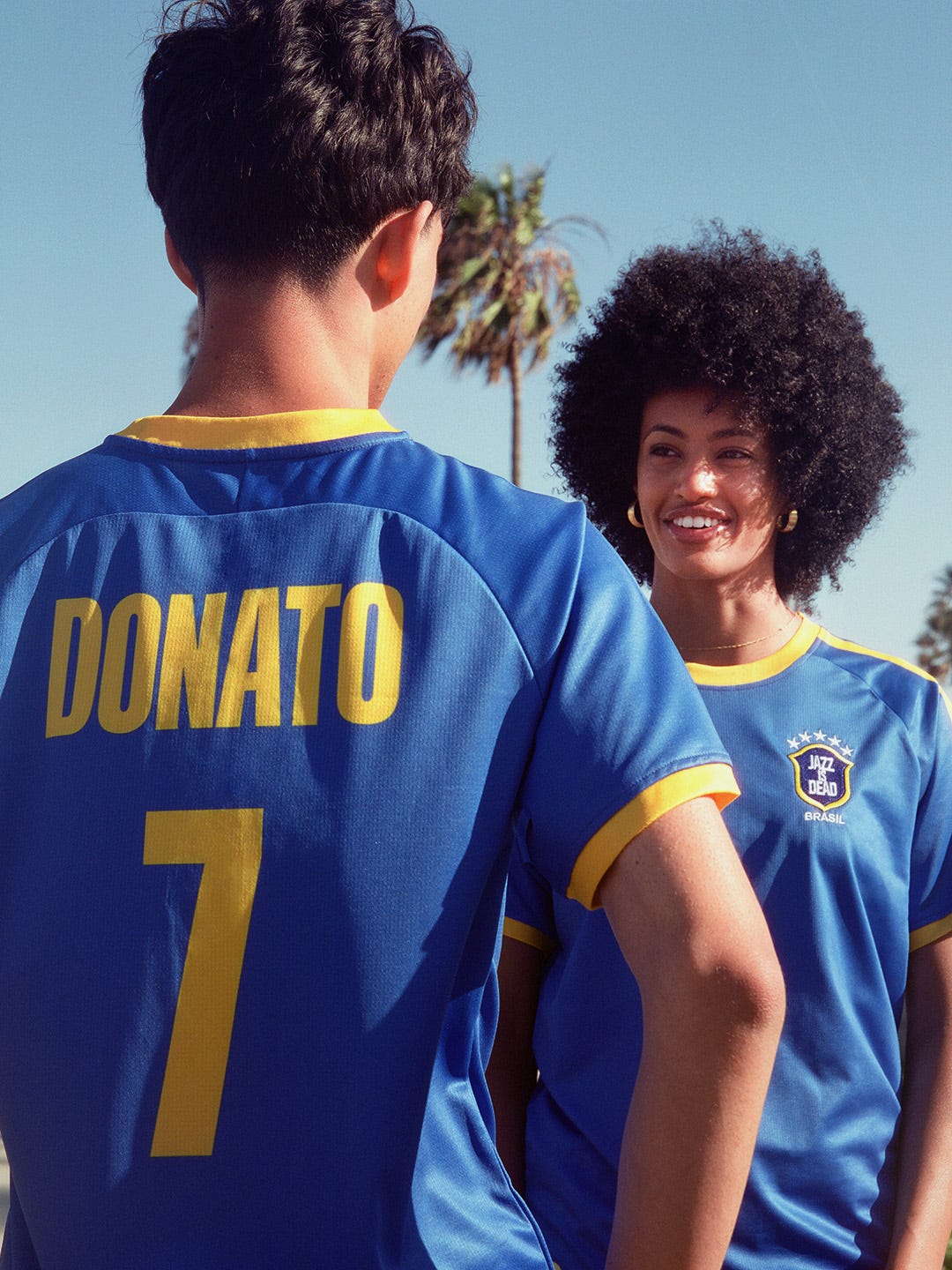
While we’ve been thinking about the World Cup, we’ve also been in the design studio. And it felt impossible not to connect the two.
João Donato brought Brasil to the world through sound. Decades of harmonic restlessness, a piano touch unlike anyone else’s, a spirit that traveled far beyond Rio and never asked for permission. Ebo Taylor did the same for Ghana, weaving highlife and Afrobeat into something so deeply rooted in his country’s soil that it became, inevitably, the world’s. Both men are giants. Both men are also citizens of two of the most passionate football nations on earth. That’s not a coincidence we were willing to let pass without comment.
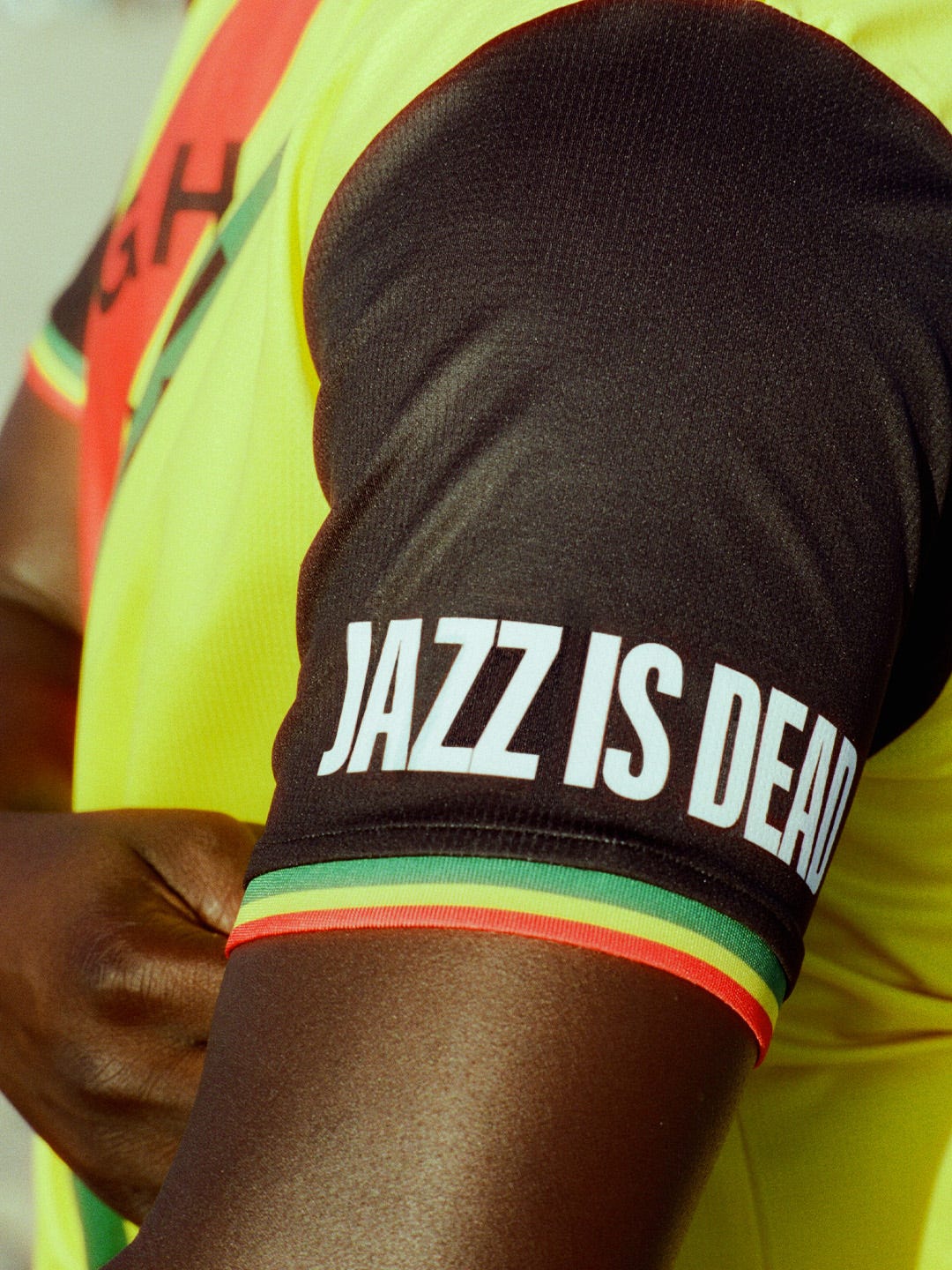
We said we were listening when we made JID007 and JID022. These jerseys are our way of saying we still are. The colors they wore as a nation, now carrying their names. Donato 7 in blue and gold. Ebo 22 in black, green, red and yellow. And alongside them, a Jazz Is Dead ball: because the culture travels wherever it goes, and it might as well travel in style.
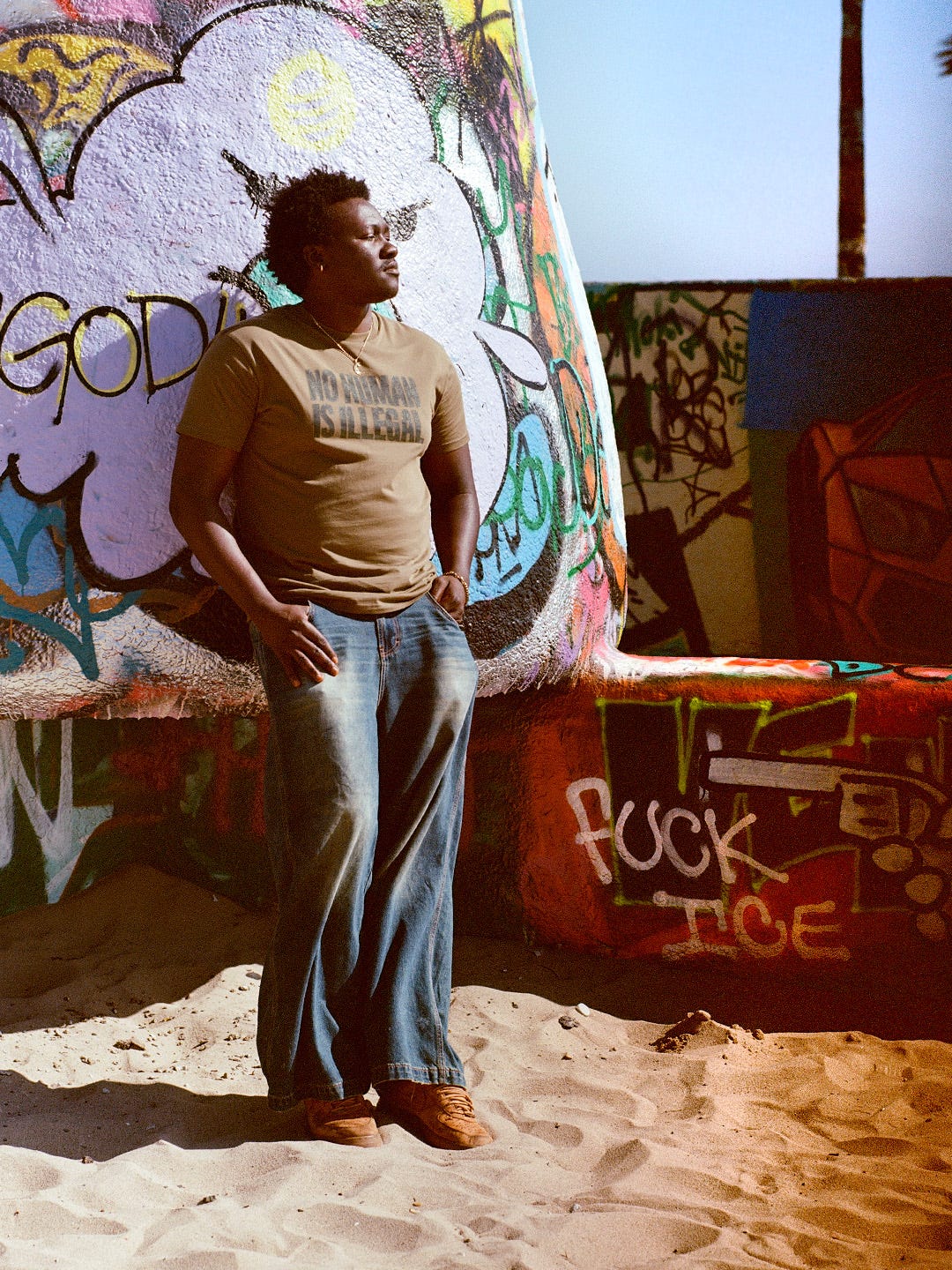
And because this drop exists in the context of the world we actually live in: the No Human Is Illegal Tee. Music has never asked for papers, and neither have we. Every sale goes directly to CHIRLA — the Coalition for Humane Immigrant Rights — because we designed it so the message can reach places posters cannot. Wearing it is the least complicated thing you can do right now.
That’s four of eleven new pieces: designed in Los Angeles, made by humans, made to be worn. Check out the rest at the link.