Played By Humans
By Leo Moraes

How would you feel if your favorite artist did a cover of an AI song?
Seriously. Sit with that for a second.
Because we’re about to tell you a story where exactly that happened. And the answer turns out to be a lot more complicated than you’d think.
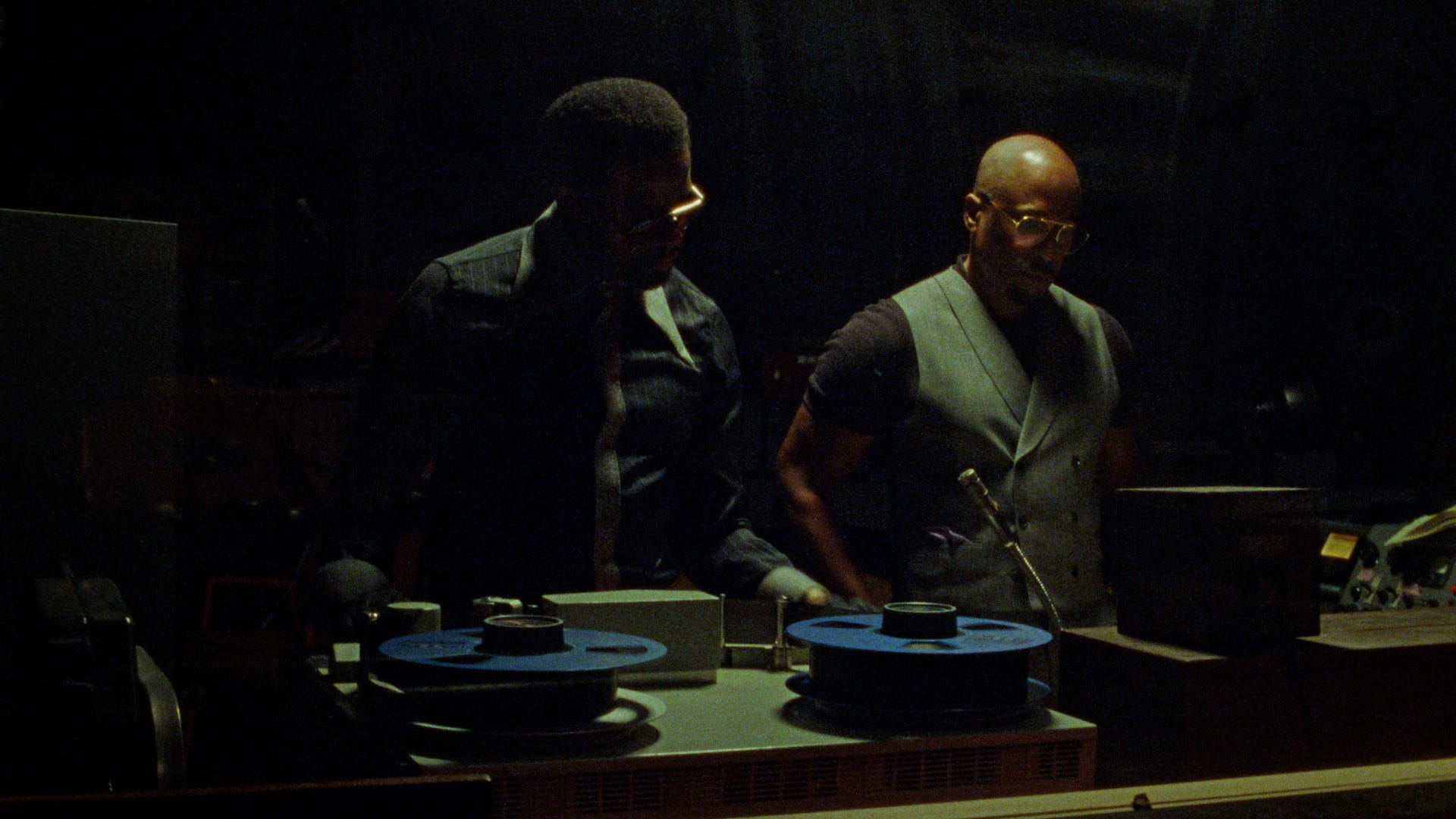
But first, let’s back up.
Since we switched up this newsletter, we’ve talked about community, live music, hanging out as a catalyst for change, the unseen hands that move the piano, and the process of making art.
And we’ve talked about AI in music.
That’s the shadow now, isn’t it? Hovering above seemingly everything we do.
Here’s what we’ve said before, and we stand by it: technological advances in music have always been met with fear: Amplification. Synthesis. Sampling. Each one was called a threat. Each one eventually proved to be just another tool. Another color on the palette. The music survived. In some cases it thrived. Humans adapted, took control, and continued on.
But this AI thing? It feels different.
Not just because the tech is more advanced. But also because of the scale. According to recent data, AI-generated music is being uploaded to digital service providers at a rate of over 20,000 tracks per day on some platforms. That’s not an exaggeration. In 2024 alone, streaming services saw a massive spike in AI-generated content, with some estimates suggesting that hundreds of millions of AI-generated tracks will be on DSPs by the end of this year.
The vast majority of it is background noise, algorithmic wallpaper designed to capture passive streams. But some of it is huge. Millions of streams. Real money. Real playlist placement. Real...music?
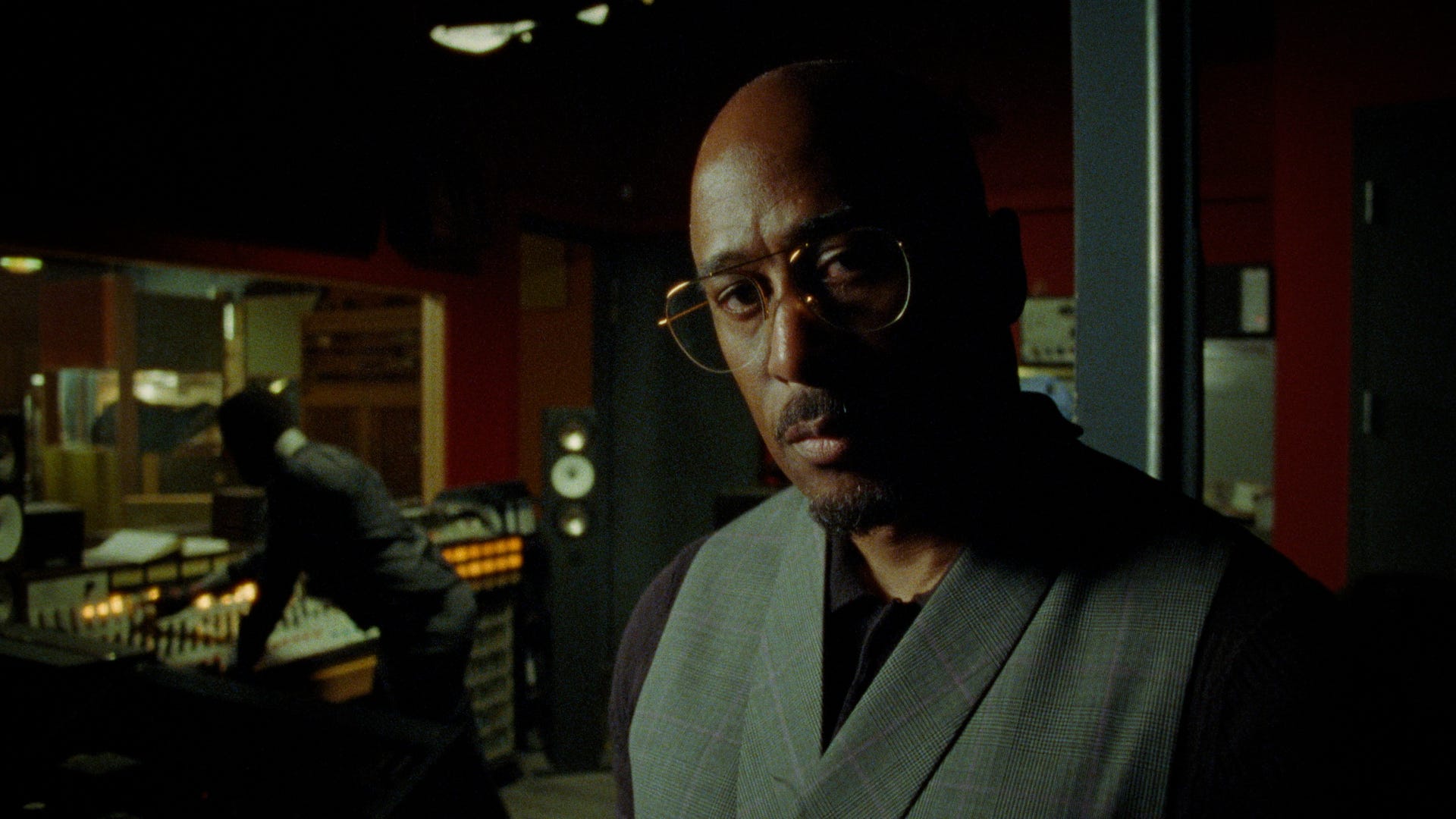
See, here’s the thing: you often can’t tell. Or maybe you can, but you don’t know to tell. There’s no label. No disclosure. No warning.
That’s why the Played By Humans project feels particularly important.
When we were first approached with the idea of a Played By Humans label, a certification, something akin to the “organic” sticker on your produce, letting listeners know what they’re actually consuming, we loved it immediately. How could we not? For everything Jazz Is Dead, Linear Labs, and ArtDontSleep stand for, this wasn’t just a campaign. It was a mission. We were honored to be asked to be the face of it.
But then came the twist.
They suggested that Adrian Younge and Ali Shaheed Muhammad record a cover of an existing AI hit. A song with over 25 million streams. The thinking was straightforward: let an AI song be “played by humans,” and the difference would be undeniable. People would hear, in real time, how much better a track sounds when living, breathing, sweating musicians perform it. Case closed.
To say the idea was met with reluctance would be an understatement.
Adrian and Ali are known, among other things, for being the architects of Jazz Is Dead’s proudly, fully analog recordings. For working with legends from Rio to Accra to New York. For building sounds in rooms with wood and wire and tape. Why would they spend their time and lend their image, their artistry, to the recording of a cover of an AI song? Wouldn’t that legitimize AI as a composer? And the very idea of trying to “outdo” a machine felt silly, because to us, the result was never the point.
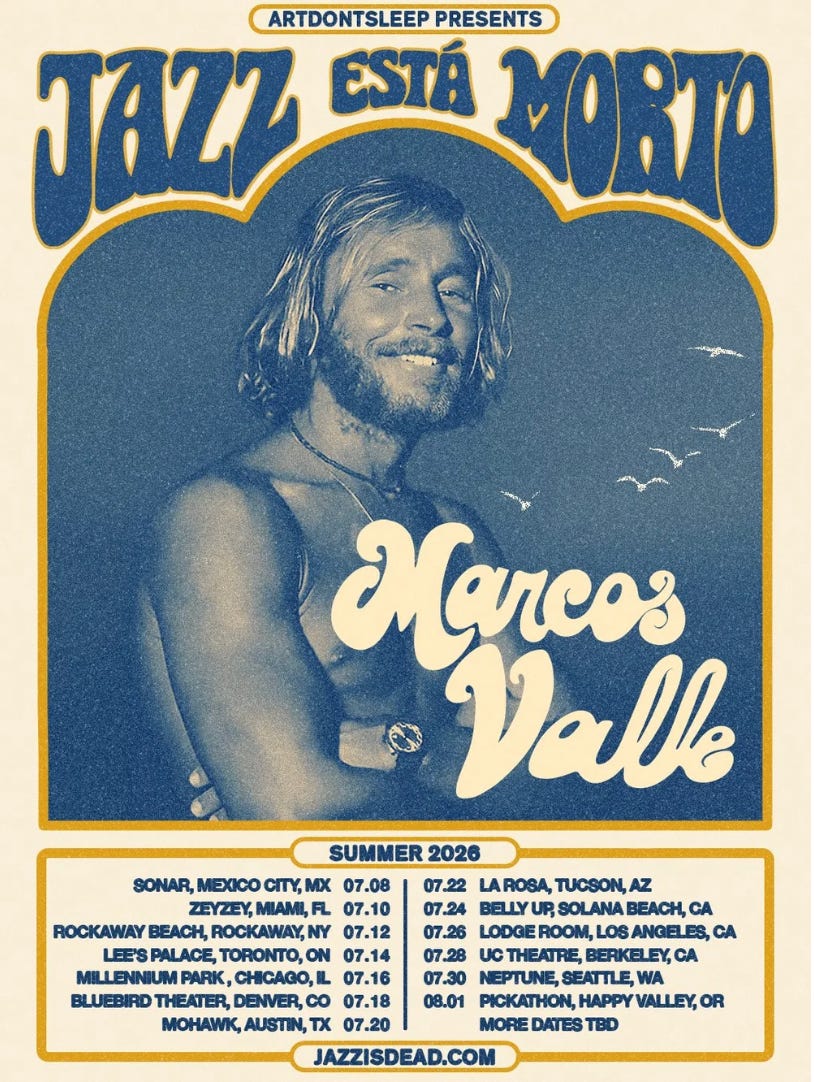
Think about what we’ve put out lately. JID026 — Antonio Carlos e Jocafi, two legends from Brazil whose voices carry decades of lived experience, warmth, and saudade you cannot prompt your way into. Adrian’s own “Younge”, described as “music that anticipates reinterpretation, deconstruction, and reuse”, acknowledging that it is meant to inspire others. And coming soon: yet another Marcos Valle tour, where the man himself will step on stage night after night and remind everyone watching that this music comes from a body, a history, a soul. None of these things could be faked. None of them would be improved by a machine. They exist because humans showed up, again and again.
It’s not about making a better version.
It’s about the essence of music as a product of human experience and interaction. It’s deeper than sounding better. It doesn’t matter if it sounds better or worse. Better or worse is subjective anyway.
After a lot of back and forth, long deep conversations, late night soul-searching, Adrian and Ali agreed to give it a shot. If nothing else, we hoped our participation would contribute to generating momentum behind the conversation around this issue, one that extends well beyond music, the arts, and IP at large.
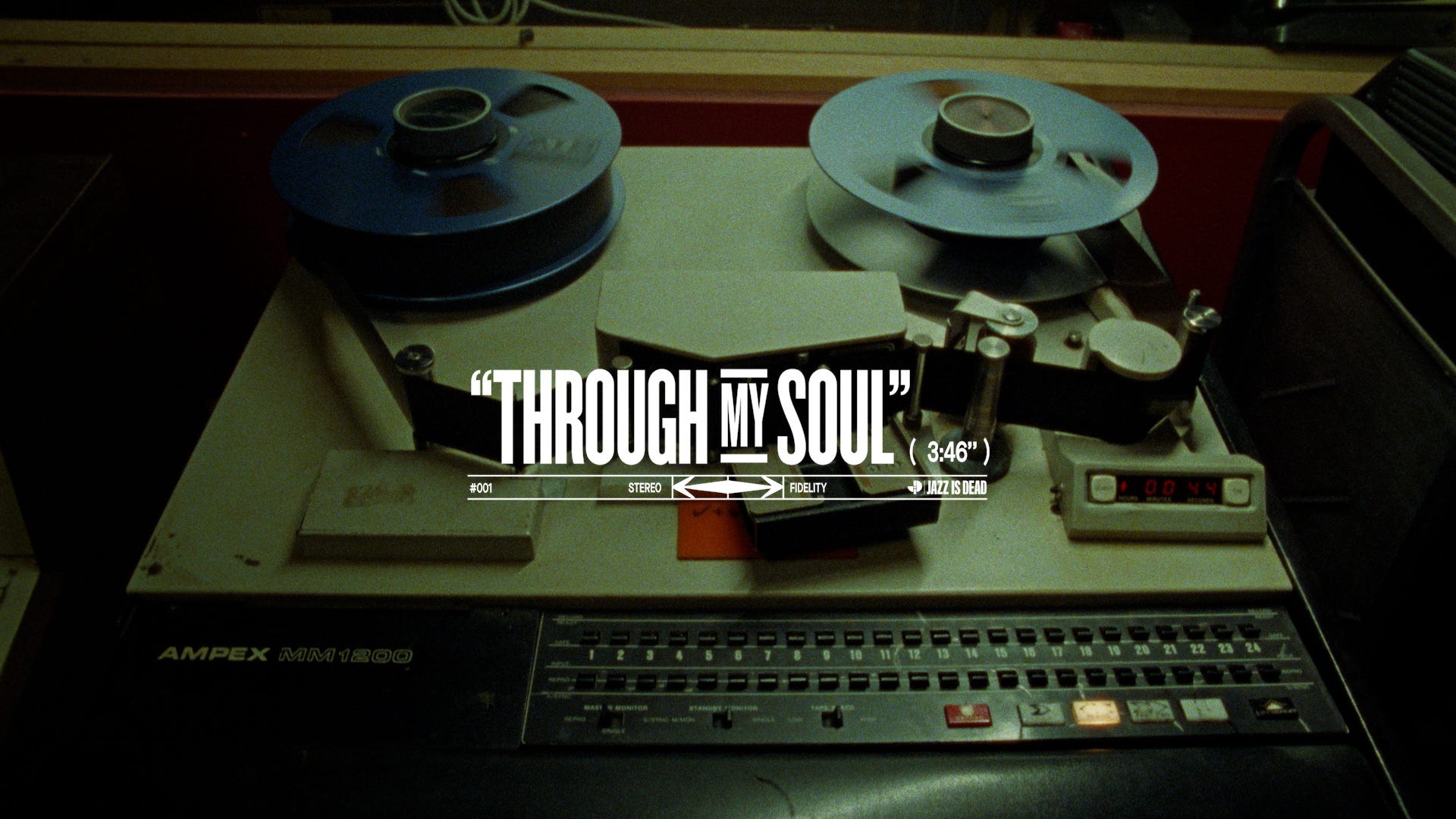
The result is “Through My Soul.”
Recorded with a full orchestra and the legendary Midnight Hour band. Strings, horns, rhythm section, all in the same room. No grid-snapping. No pitch correction. Just humans playing. Live. Together.
Two days after the recording was completed, the song was performed at a surprise event at a packed Lodge Room in LA. The room was electric. People didn’t know what they were hearing at first. Then they did. And something strange happened: everyone involved enjoyed it. Artists and audience. Deeply.
Does it prove anything?
We don’t know. Probably not.
Listen to both versions and let us know what you think. To us, the difference is obvious. But here’s the thing: do you like the AI version better? We don’t care.
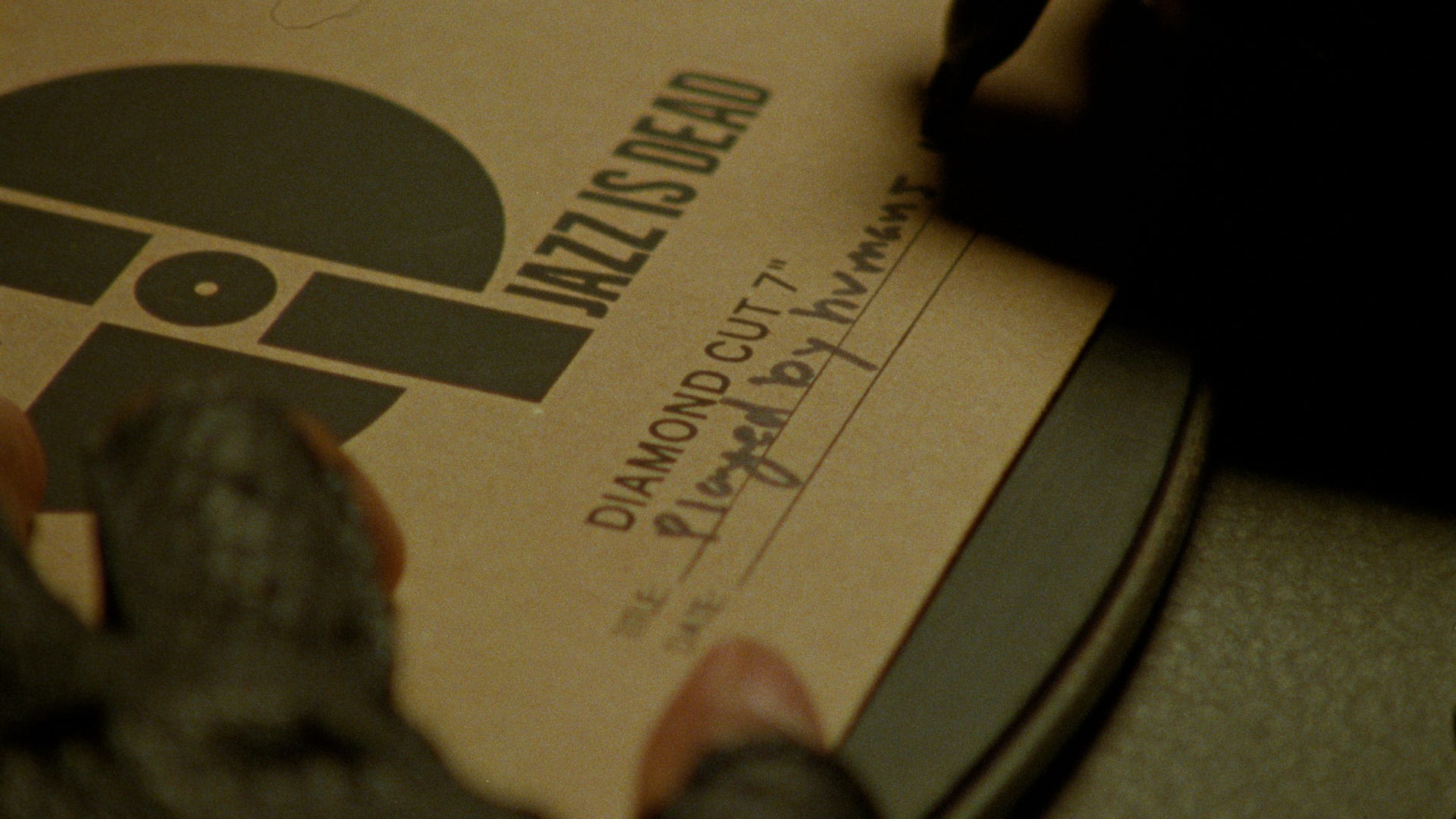
This was never about results. Or taste.
It’s about knowing that the biggest, loudest mark a generation leaves on the world is the music it produces. And that music is not just an aesthetic thing. It’s a product of the interaction between people and the times. It both feeds and is fed by the community that makes it.
So we come back to the argument we started with: this is about choice. And about having the information we need to make one.
Want to listen to AI music? Listen to your heart’s content. Seriously. No judgment.
But for those of us who don’t, we have the right to know what’s behind the chorus.
— Jazz Is Dead
P.S. “Through My Soul” featuring Loren Oden” (Ali Shaheed Muhammad and Adrian Younge) is out now. The original AI version is out there too. You can find both. Compare. Or don’t. But at least now you know the difference.
Eyevan For Adrian Younge
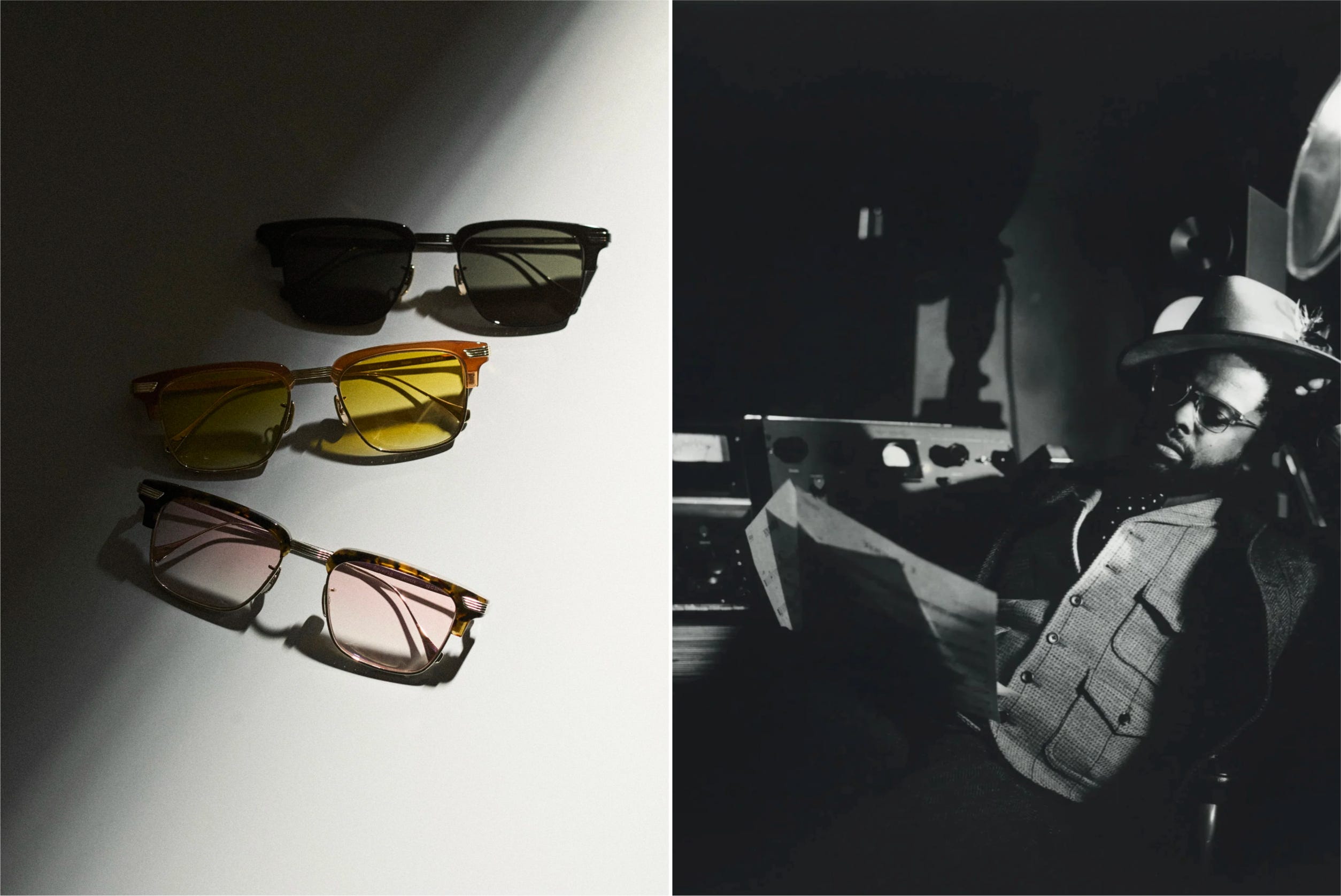
Born from a shared reverence for heritage and innovation, EYEVAN for Adrian Younge reimagines vintage eyewear through Younge’s personal style and EYEVAN’s Japanese precision craftsmanship, balancing bold presence, meticulous engineering, and expressive lenses in timeless pieces.
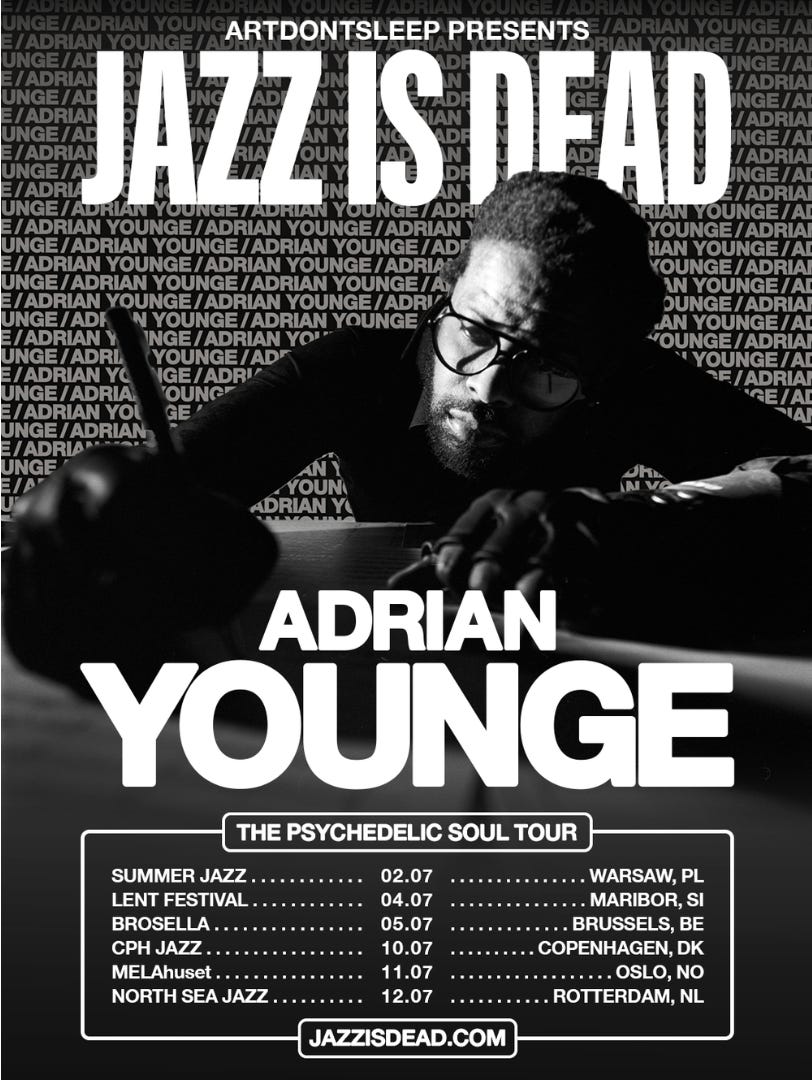
Upcoming Events

JID 026 Antonio Carlos e Jocafi
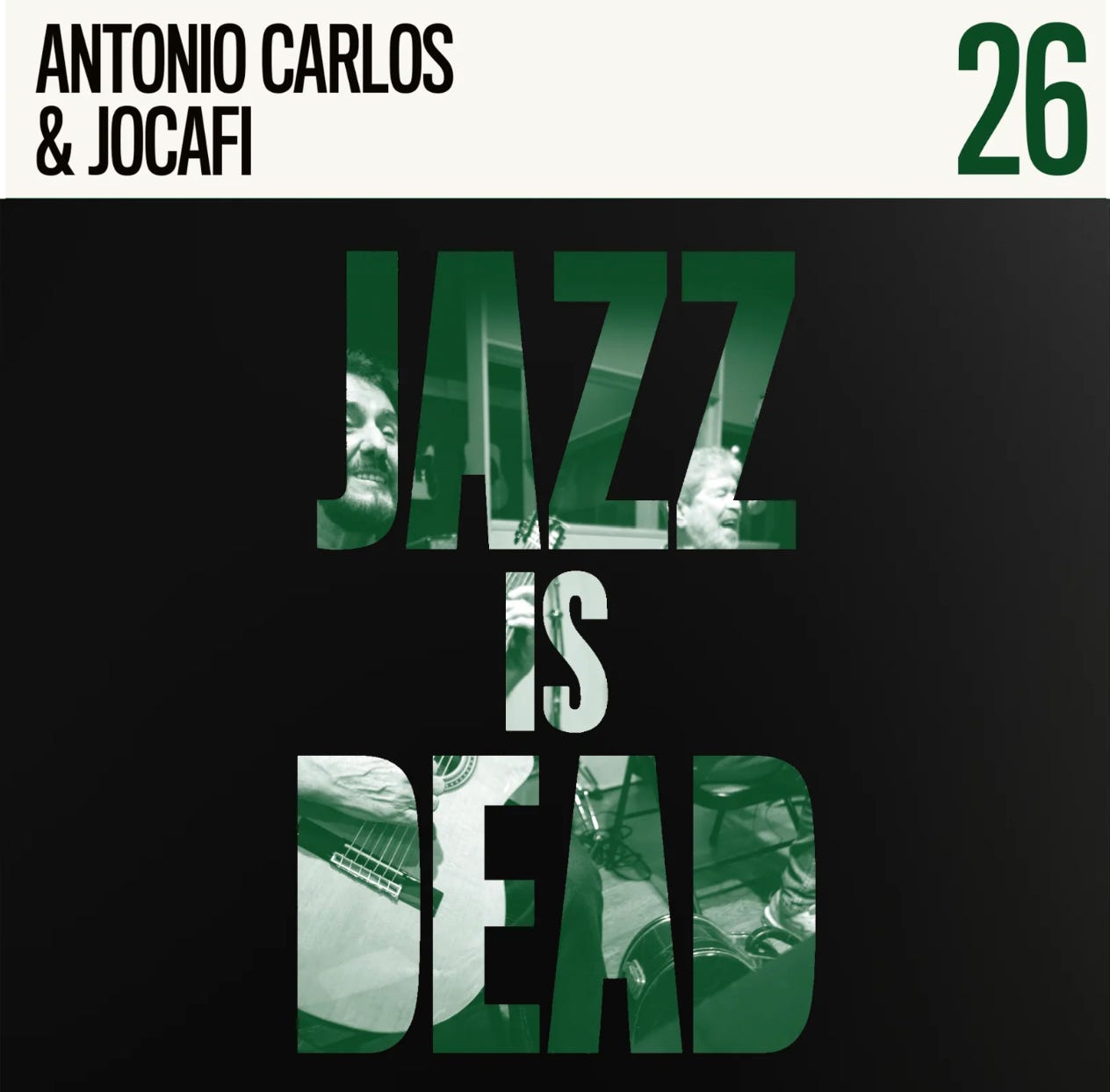
Antonio Carlos & Jocafi, the legendary duo from Bahia whose music has embodied the soul of Brasil for over five decades, return with a bold new collaboration: Jazz Is Dead 026. Introduced to Adrian Younge and Ali Shaheed Muhammad by Beto Barreto of Baiana System, the meeting was instant magic. “The first time we met, it was like family,” they recall. That kinship led Younge and Muhammad to invite the duo to Los Angeles, where they carried a handful of ideas and created new songs on the spot—an intuitive, improvisatory process that defines the Jazz Is Dead ethos.
Now, with Jazz Is Dead 026, Antônio Carlos & Jocafi reaffirm their creative vitality while introducing their timeless Bahian spirit to a new generation. “Adrian’s love for Brasil is greater than that of many Brasilians,” they say, noting how deeply he listens, studies, and channels the rhythms, stories, and feelings of their culture. The result is an album that bridges Salvador’s Mercado Modelo with the global stage, weaving Bahia’s folkloric traditions into Jazz Is Dead’s analog soul.
Visit us at jazzisdead.com and linearlabsmusic.com