Every Medium Is a Language
And some things are not easily translated

Linear Labs Newsletter, by Leo Moraes
There’s a theory (I’m not sure how much science is behind it) that people who speak more than one language have different personalities in each one. That they don’t just translate thoughts from one tongue to another, but actually think differently, access different parts of themselves, become slightly different people depending on which language they’re operating in.
I couldn’t tell you if that holds up in a lab. But I can tell you what happened when I tried to run a bilingual blog.
Since I started writing for this newsletter, I decided to set up a Portuguese-language version for my Brasilian readers. The plan was simple: write the originals in English, have them translated, post.
It didn’t last.
The translations were accurate. Grammatically clean. Faithful to the source. But the texts didn’t feel like me. I tried tweaking them, adjusting rhythm, swapping idioms, working the voice back in, but the problem wasn’t fixable at the sentence level. The problem was structural.
I eventually understood why: if I were writing about the same subjects in Portuguese, I’d be approaching the text in a different way. Different sentence shapes. Different instincts about when to use a story and when to use a statement. The language doesn’t just carry the thought. In some essential way, it is the thought.
This is where it gets interesting: I don’t think this is just about language.
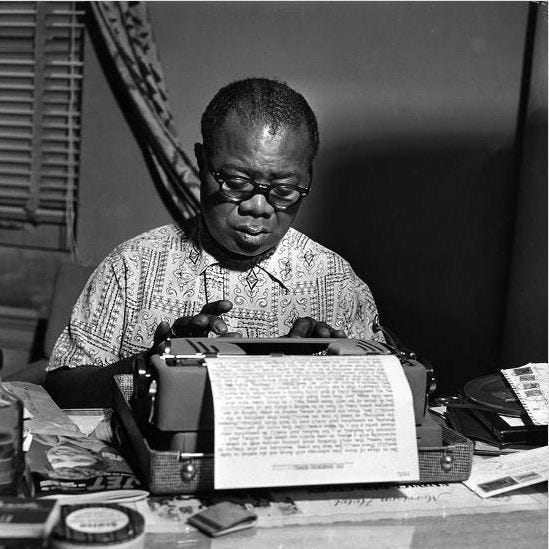
I believe the creative impulse behind all art is the same impulse. Whatever it is that makes a person need to express something, to get an idea or a feeling out of the body and into the world, that force is singular. We just reach for different instruments to discharge it. Some write poems. Some pick up a guitar. Some spread paint on a canvas. Some dance. Same spark, different output.
But here’s what I’ve come to think: those outputs aren’t always interchangeable. The medium isn’t just a delivery mechanism. It’s a shaping force. It determines not only how the idea arrives, but which idea arrives at all.
A composer sitting at a piano will write a different song than the same composer reaching for a guitar. Not because they decided to write differently, but because the instrument hands them different possibilities and different resistances. The piano says: here is every note at once, laid out in front of you, spatial and rational. The guitar says: here are shapes under your fingers that your hands already know. The creative act that follows isn’t the same act. It’s conducted in a different language.
The same is true across forms. A photographer working in 35mm will see differently than one working medium format, not just technically, but philosophically. Just as black and white removes one variable and restores a hundred others, giving you different possibilities than color. These aren’t just aesthetic preferences. They’re different grammars.
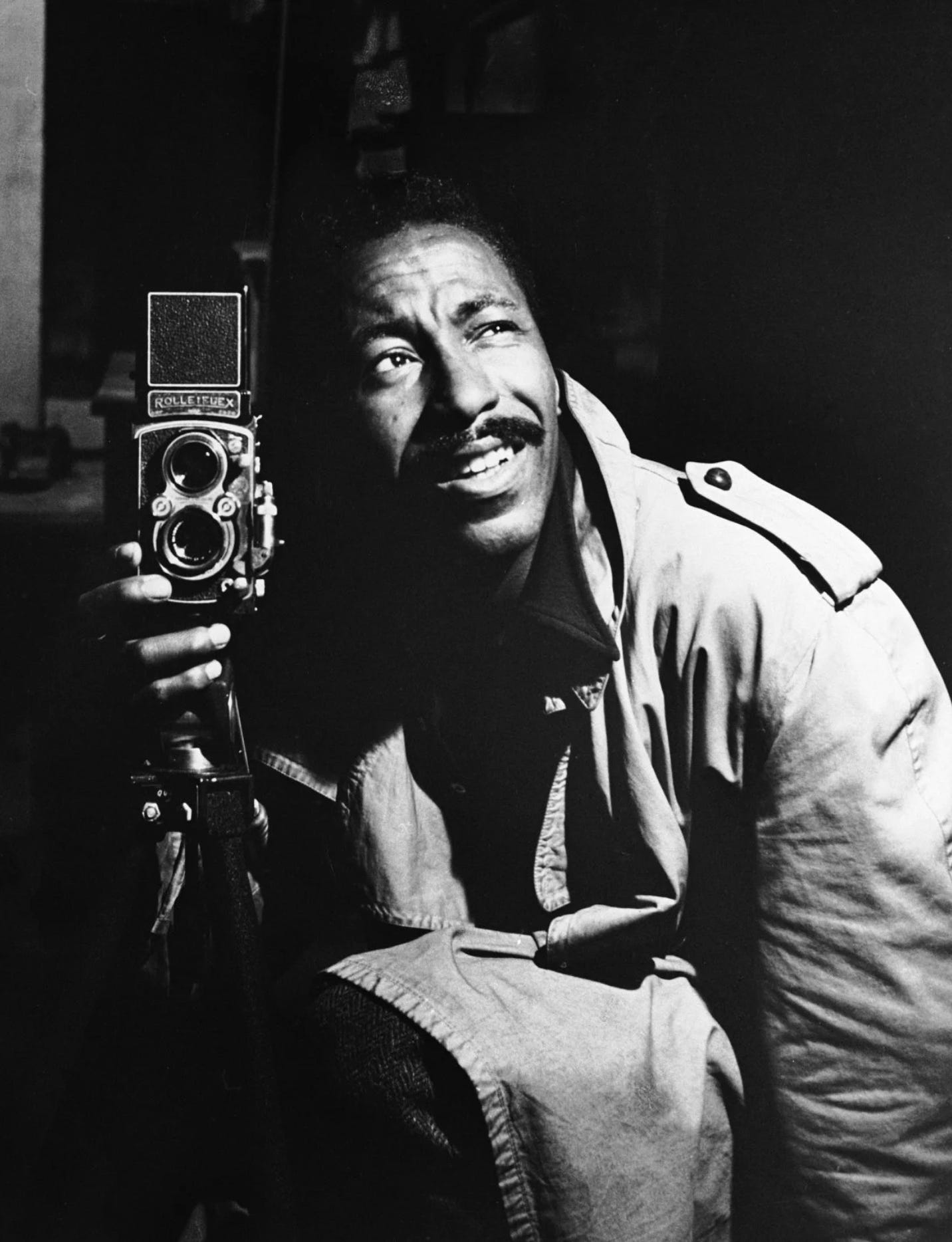
There’s a story that illuminates this better than I can.
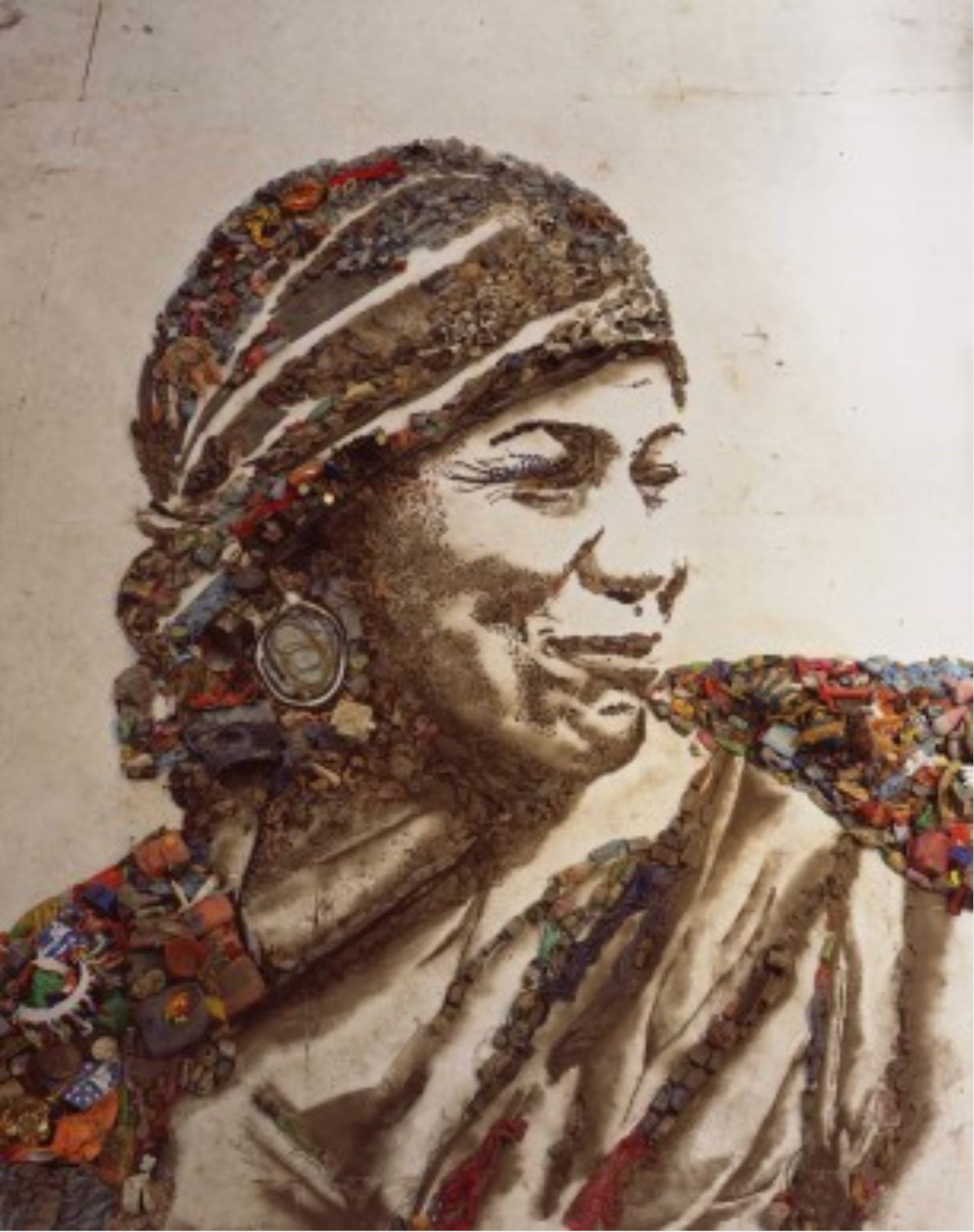
In one of his talks, the Brasilian artist Vik Muniz describes how he started as a sculptor. He’d make a piece, and then he’d notice that he wanted people to see it from a very specific angle. So he started photographing his sculptures and, eventually, the photographs became the work. That’s what he’d exhibit. That’s what he’d release into the world.
The question this raises is almost too good: Is Vik Muniz a sculptor or a photographer?
I think he’s both, in a very particular sequence. The sculpture is a draft and the photograph is the final translation. except that he designed the original with the translation already in mind. He sculpted toward the photograph. He knew the medium he was aiming at before he started the one he was working in.
It’s layered art, where each layer is a different language, each one chosen for what it can do that the others can’t.
And here’s what struck me about it: Vik didn’t end up a photographer instead of a sculptor. He became a photographer because of sculpture. One language opened access to the other.
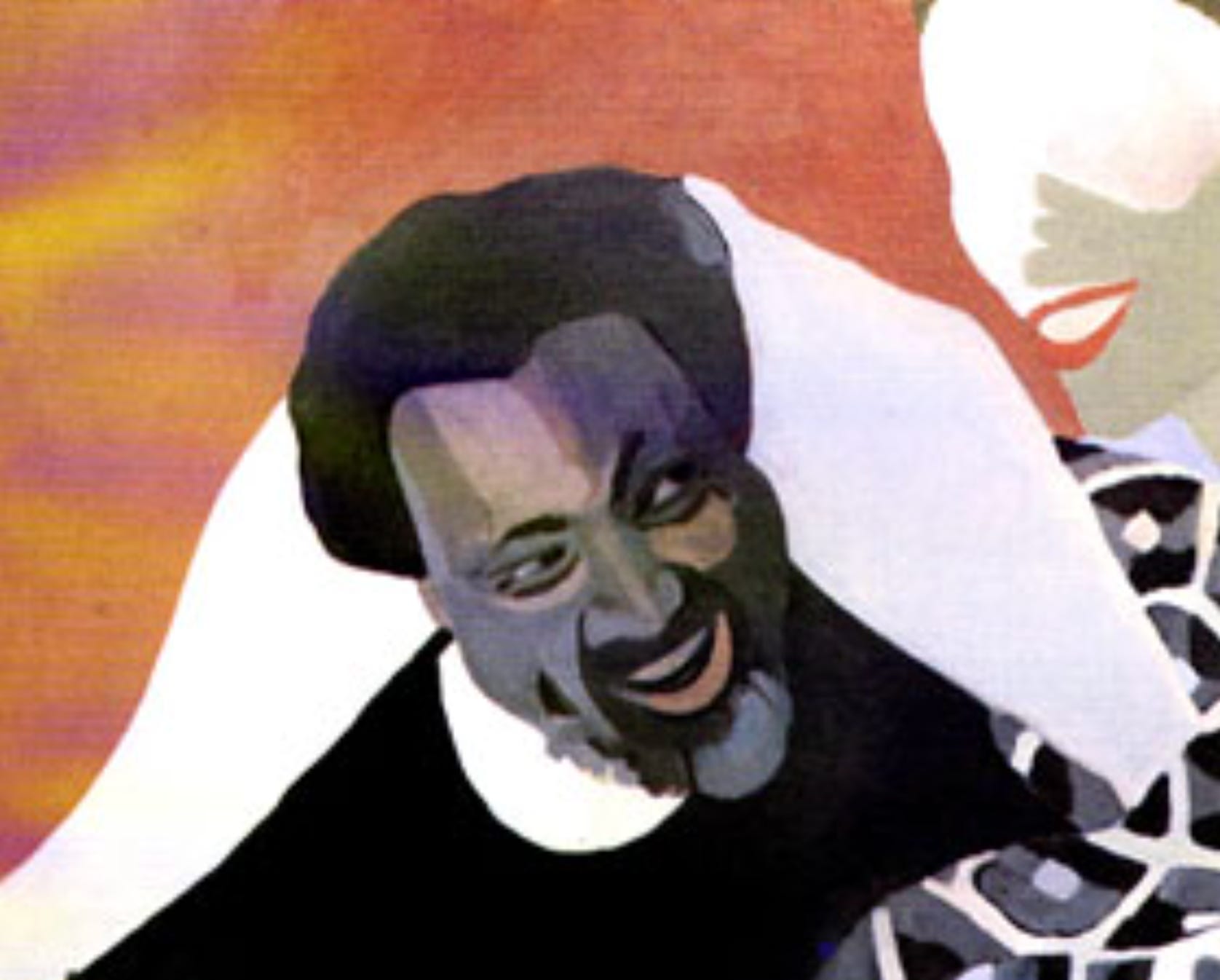
When I started learning trumpet, I became a better guitarist.
Not because the skills transferred in any obvious technical sense. Playing a purely melodic instrument when your background is on a harmony oriented one is enlightening. You start listening differently. And that listening travels with you when you pick up the instrument you already know.
Learning photography has worked the same way. At its core, a photograph and a paragraph are the same gesture: an attempt to show someone else how you see the world. One uses light and frame and the decision of when to press the shutter. The other uses words and rhythm and the decision of where to end the sentence. But both are acts of looking. Of saying, this, here, this is what I noticed, this is how it felt to be standing in this particular spot at this particular moment.
This is what other art forms offer: not distraction from the work you do, but a different angle of approach to the same underlying problem.
Which brings me back to the translations I wasn’t happy about.
I think the failure was conceptual. I was trying to just translate something that had already been shaped by its language.
So maybe the theory about language and personality is pointing at something real, just not quite naming it right. It’s not that we have different personalities in different languages. It’s that each language — each medium, each instrument, each form — opens a door to a part of us that the others can’t reach. And for anyone who makes things, the more doors you can open, the more of yourself you can bring to the work.
The lesson isn’t to do everything. It’s to go somewhere unfamiliar on purpose, to be a beginner again, to find the resistance, to let a different form hand you a different version of the same question.
You’ll come back changed. The work will show it.
Keep exploring. Keep committing.
New! Limited Items From Jazz Is Dead
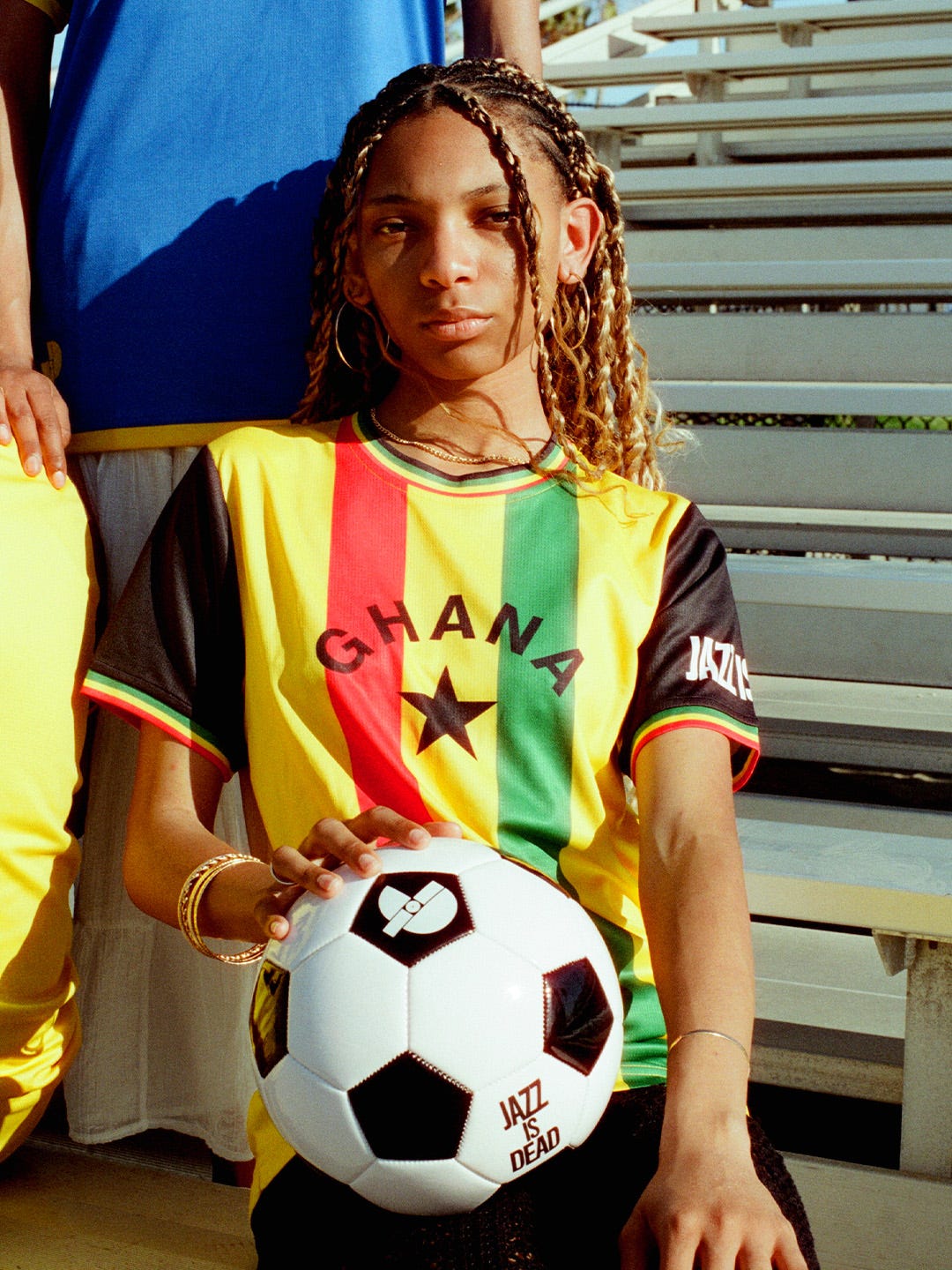
While we’ve been thinking about the World Cup, we’ve also been in the design studio. And it felt impossible not to connect the two.
João Donato brought Brasil to the world through sound. Decades of harmonic restlessness, a piano touch unlike anyone else’s, a spirit that traveled far beyond Rio and never asked for permission. Ebo Taylor did the same for Ghana, weaving highlife and Afrobeat into something so deeply rooted in his country’s soil that it became, inevitably, the world’s. Both men are giants. Both men are also citizens of two of the most passionate football nations on earth. That’s not a coincidence we were willing to let pass without comment.
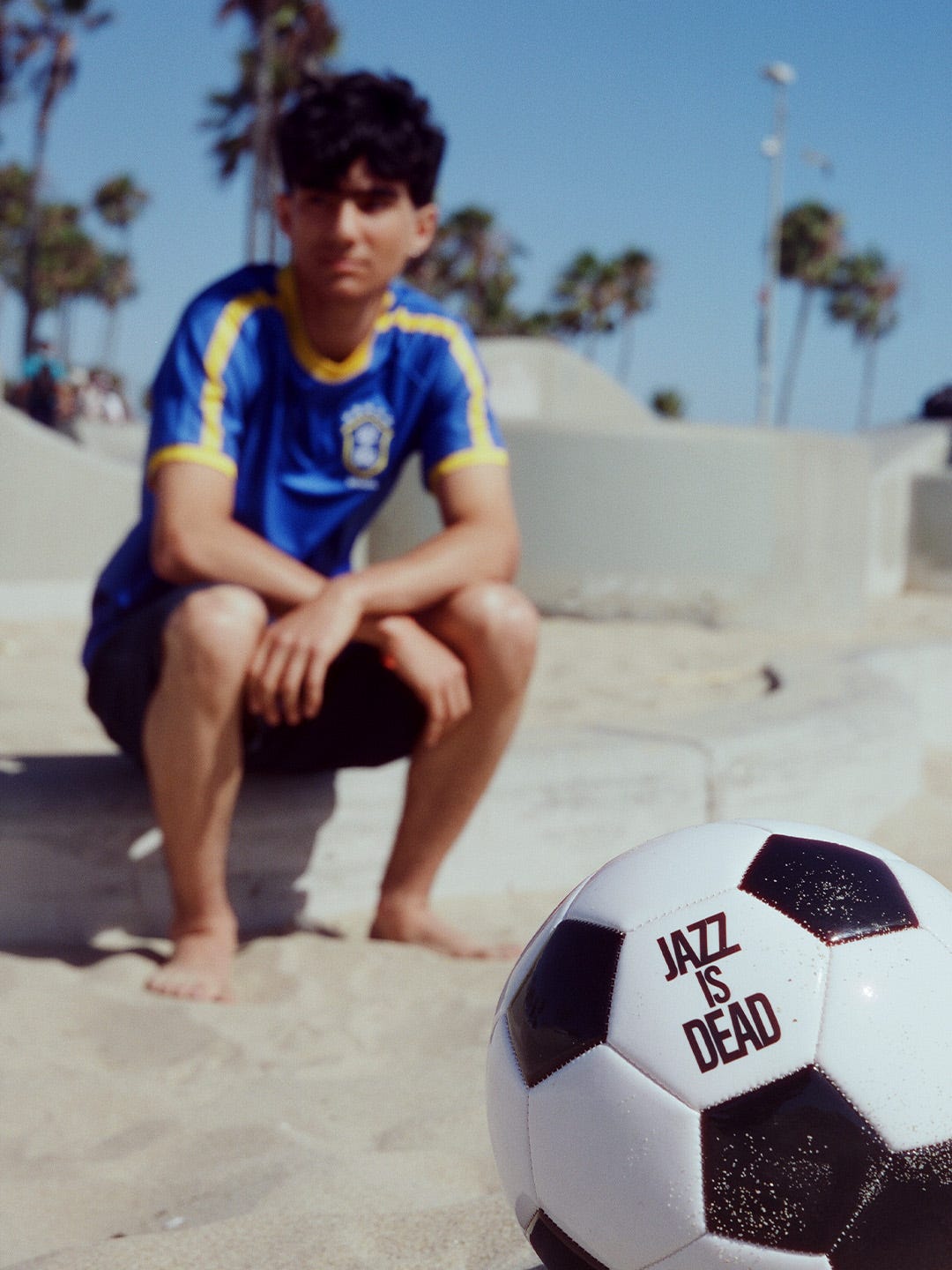
We said we were listening when we made JID007 and JID022. These jerseys are our way of saying we still are. The colors they wore as a nation, now carrying their names. Donato 7 in blue and gold. Ebo 22 in black, green, red and yellow. And alongside them, a Jazz Is Dead ball: because the culture travels wherever it goes, and it might as well travel in style.
And because this drop exists in the context of the world we actually live in: the No Human Is Illegal Tee. Music has never asked for papers, and neither have we. Every sale goes directly to CHIRLA — the Coalition for Humane Immigrant Rights — because we designed it so the message can reach places posters cannot. Wearing it is the least complicated thing you can do right now.
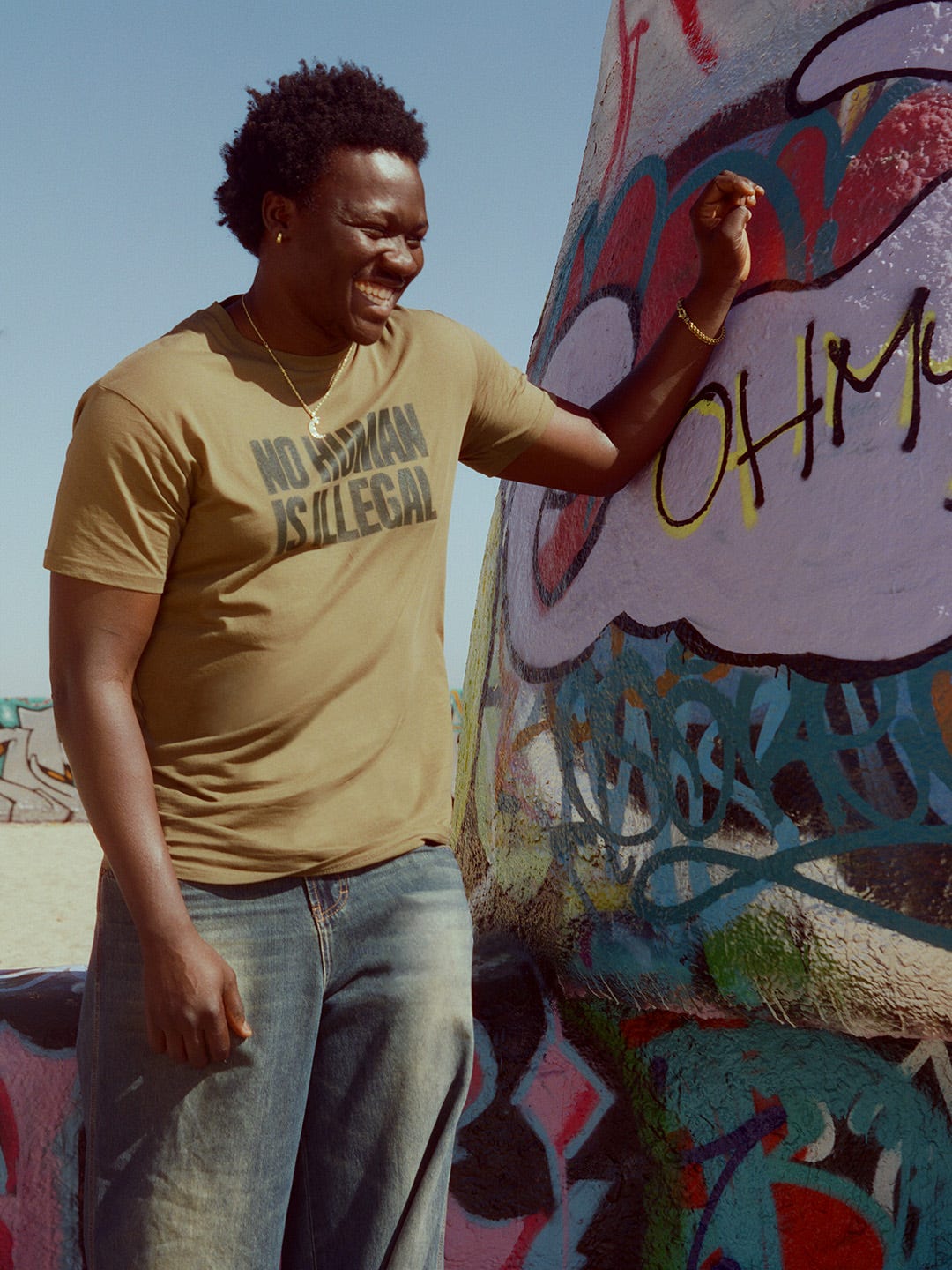
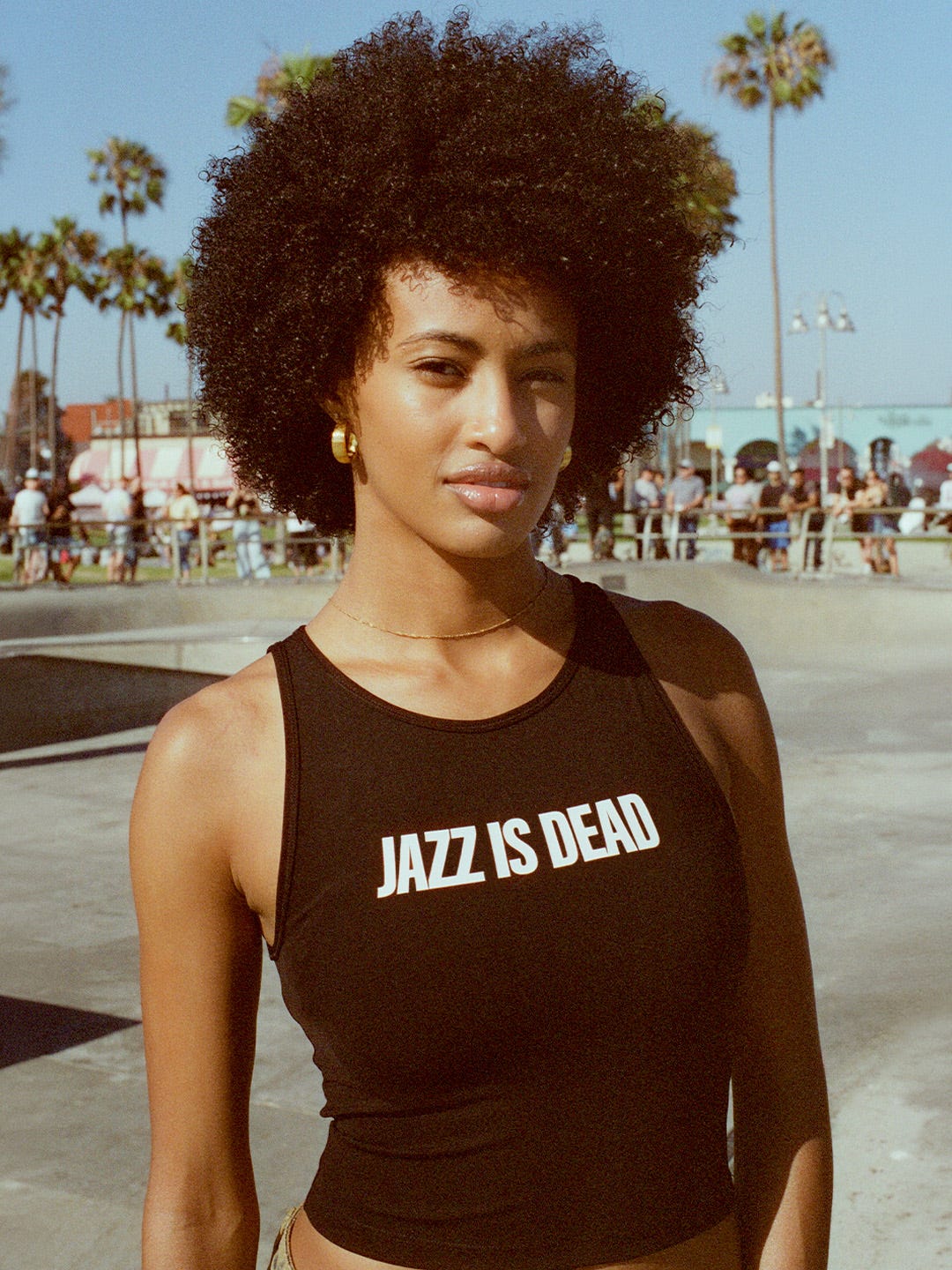
That’s four of eleven new pieces: designed in Los Angeles, made by humans, made to be worn. Check out the rest at the link.
Great piece, cheers
This is a topic that often comes out with my international friends and you just gave further substance to our yapping about it